Subcontractor Insurance PA: Protecting Your Joint Venture

Subcontractor Insurance PA: Protecting Your Joint Venture

Subcontractors in Pennsylvania face unique insurance challenges that general contractors often overlook. A single project mishap-damaged equipment, an injury on site, or a client dispute-can derail your business financially.

We at Eric L. Ash Insurance Agency know that standard coverage rarely cuts it for subcontractors. The right subcontractor insurance PA protects your income, your tools, and your reputation when things go wrong.

Why Subcontractors Need Specialized Insurance Coverage

Standard general liability policies sold to most small businesses leave subcontractors dangerously exposed. A typical commercial general liability policy covers bodily injury and property damage you cause to others, but it often excludes or severely limits coverage for tools, equipment left at job sites, and materials you’ve purchased but haven’t installed yet. Pennsylvania subcontractors regularly lose thousands when equipment gets stolen from a job site or damaged before installation because their basic GL policy doesn’t cover it. The Pennsylvania Department of Labor & Industry reports that subcontractor disputes over liability and coverage gaps rank among the top insurance complaints filed in the state. You need coverage that addresses what actually happens on your jobs, not what a one-size-fits-all policy assumes.

The Real Cost of Coverage Gaps

When you work as a subcontractor on someone else’s project, your exposure differs fundamentally from a general contractor’s. You don’t control the overall site safety, you don’t manage all the trades, and you’re often the last one blamed when something goes wrong. A roofer in Pittsburgh lost $18,000 worth of equipment to theft from a residential job site last year, only to discover his GL policy excluded tools and materials. An electrical subcontractor in Philadelphia faced a $35,000 liability claim after faulty wiring caused property damage, but his policy limits of $300,000 per occurrence left little cushion for legal defense costs. These aren’t hypothetical scenarios-they’re the situations that force subcontractors out of business. Your workers’ compensation coverage is mandatory in Pennsylvania, but it covers only employee injuries, not the property you bring to the job or the liability exposure unique to subcontracting work.

Three real-world insurance pitfalls Pennsylvania subcontractors commonly encounter - subcontractor insurance PA

What Actually Protects Your Business

Equipment coverage separate from your GL policy reimburses you when tools, ladders, compressors, or materials suffer damage, theft, or loss at a job site. Many carriers in Pennsylvania now offer equipment floaters that cover your property while it travels to the job and while it sits on-site, with coverage limits you control. Commercial auto insurance becomes critical if you transport equipment or materials regularly-a basic GL policy excludes vehicle-related incidents entirely. Completed operations coverage extends your protection after you finish a job, covering claims that arise from your work later on. Pennsylvania’s Statute of Repose allows homeowners to file claims for up to 12 years after project completion on certain defects, so completed operations coverage can save you from unexpected liability claims years after the job ends. Tools and equipment coverage typically costs $300 to $800 annually depending on your equipment value and trade, but it prevents the catastrophic losses that wipe out profits for months.

Why Subcontractors Face Unique Risks

Subcontractors operate in a liability environment that differs sharply from general contractors. You work on sites you don’t control, alongside trades you don’t supervise, and under contracts that often shift risk onto your shoulders. A general contractor may carry $1 million in GL coverage and pass liability down to you through indemnification clauses in your subcontract. That means you absorb the cost of defending claims and paying damages, even when another trade caused the problem. Pennsylvania joint ventures that rely on subcontractors experience more delays, rework, and cost overruns due to variable performance and inconsistent quality across trades. Your insurance must account for this reality-you need higher limits, broader coverage, and protection against claims that arise from work you didn’t directly cause but are contractually responsible for.

The Three Insurance Policies Subcontractors Cannot Skip

Workers’ compensation insurance is not optional in Pennsylvania-it’s the law. The Pennsylvania Department of Labor & Industry requires every subcontractor with employees to carry coverage, with penalties reaching $15,000 and personal liability for all claims if you don’t comply. Your workers’ comp policy covers employee medical bills and lost wages after a work injury, but here’s what most subcontractors misunderstand: it does not cover your own injuries if you’re a sole proprietor, and it does not protect you against liability claims from clients or third parties. Many subcontractors assume workers’ comp solves their insurance problem, then face financial disaster when a homeowner sues them for property damage or a client claims their work caused injury.

Workers’ Compensation Costs Vary Sharply by Trade

The cost varies significantly by trade in Pennsylvania. A general contractor pays about $3.92 per $100 of payroll annually, while a roofer pays $12.48 per $100-nearly three times higher. An electrician pays around $2.89 per $100, an HVAC technician about $3.45, and a plumber about $4.12. This means a roofer with one employee earning $50,000 annually pays roughly $6,240 in workers’ comp, while an electrician with the same payroll pays about $1,445. Formal safety programs reduce these costs by 10 to 25 percent through experience modification credits, so investing in documented safety training and incident prevention directly lowers your premiums.

Percentage reductions in workers’ compensation premiums achievable through safety programs

General Liability Coverage Protects Against Client Claims

Commercial general liability insurance protects you when your work injures someone or damages their property. A $300,000 per-occurrence limit sounds reasonable until you’re defending a claim-legal defense costs alone can consume half that amount before settlement. We recommend subcontractors carry at least $1 million per occurrence and $2 million aggregate, which exceeds Pennsylvania’s Home Improvement Consumer Protection Act minimums of $50,000 but reflects real-world claim severity. A typical GL policy for a subcontractor in Pennsylvania costs $600 to $1,200 annually depending on your trade and claims history.

However, standard GL policies exclude or severely limit coverage for tools, equipment, and materials-the very assets subcontractors lose most often. Tools and equipment coverage fills this gap with a separate floater policy that protects your property while traveling to jobs and while sitting on-site. Equipment theft from job sites happens regularly in Pennsylvania, and your GL policy will not reimburse you. A floater typically costs $300 to $800 annually based on your equipment inventory value and covers theft, damage, and loss.

Completed Operations Coverage Protects Your Long-Term Liability

Completed operations coverage extends protection after project completion, covering claims that emerge years later. Pennsylvania’s 12-year Statute of Repose on certain defects means a homeowner can file a claim a decade after you finish work, and completed operations coverage shields you from that long-tail liability. Most subcontractors skip this coverage and regret it when an old job surfaces a claim.

The typical Pennsylvania subcontractor insurance package-workers’ comp, GL, and equipment coverage-averages around $2,500 to $4,000 annually depending on your trade and payroll size. This investment protects your business from the kinds of losses that force subcontractors out of work. Understanding what each policy covers sets the foundation for protecting yourself, but selecting the right coverage limits and deductibles requires a closer look at your specific project risks and contract obligations.

Choosing Coverage Limits That Match Your Real Exposure

Start with Your Contract Obligations

Read your subcontract indemnification clause carefully-it often requires you to carry specific liability limits and name the general contractor as additional insured. A general contractor may demand $1 million per occurrence and $2 million aggregate, which means your policy must meet that threshold or you violate your contract. Pennsylvania joint ventures frequently require subcontractors to carry umbrella or excess liability policies that extend coverage, especially on large residential or commercial projects. Check your current contracts now: if three projects require $1 million limits and one requires $2 million, you need at least $2 million to stay compliant. Carrying less exposes you to contract breach and personal liability if a claim exceeds your policy limits.

Assess Your Actual Risk Beyond Contract Minimums

A roofer working on residential homes faces different exposure than an electrician installing systems in new construction. A roofing subcontractor in Pennsylvania typically carries $1 million per occurrence because fall hazards and weather-related damage create higher claim frequency. An HVAC technician might carry $500,000 to $1 million depending on whether they work on high-value commercial systems. Your deductible choice directly affects your premium: a $2,500 deductible costs roughly 15 to 25 percent less than a $1,000 deductible, but only if you can absorb that deductible from cash flow when a claim hits. A small plumbing subcontractor with limited reserves should choose a $1,000 deductible even if it costs more annually-a $5,000 water damage claim with a $2,500 deductible creates cash flow stress that $1,500 in annual premium savings doesn’t offset.

Calculate Equipment Coverage Based on Inventory Value

List every item you transport to job sites: power tools, ladders, compressors, diagnostic equipment, materials staged on-site. Total that value honestly. A roofing crew with ladders, nailers, compressors, and safety gear often carries $40,000 to $60,000 in equipment. An electrician with diagnostic tools, wire, conduit, and fixtures might have $25,000 to $40,000 exposed. Request quotes for equipment floaters at 80 percent and 100 percent of your inventory value-the premium difference is usually 10 to 15 percent, and 100 percent coverage eliminates painful partial-loss scenarios. Many Pennsylvania subcontractors undervalue their equipment inventory by 30 to 40 percent, then suffer when a claim reveals the actual loss. Photograph your equipment, document serial numbers, and update your inventory annually as you add tools.

Compare Quotes Across Multiple Carriers

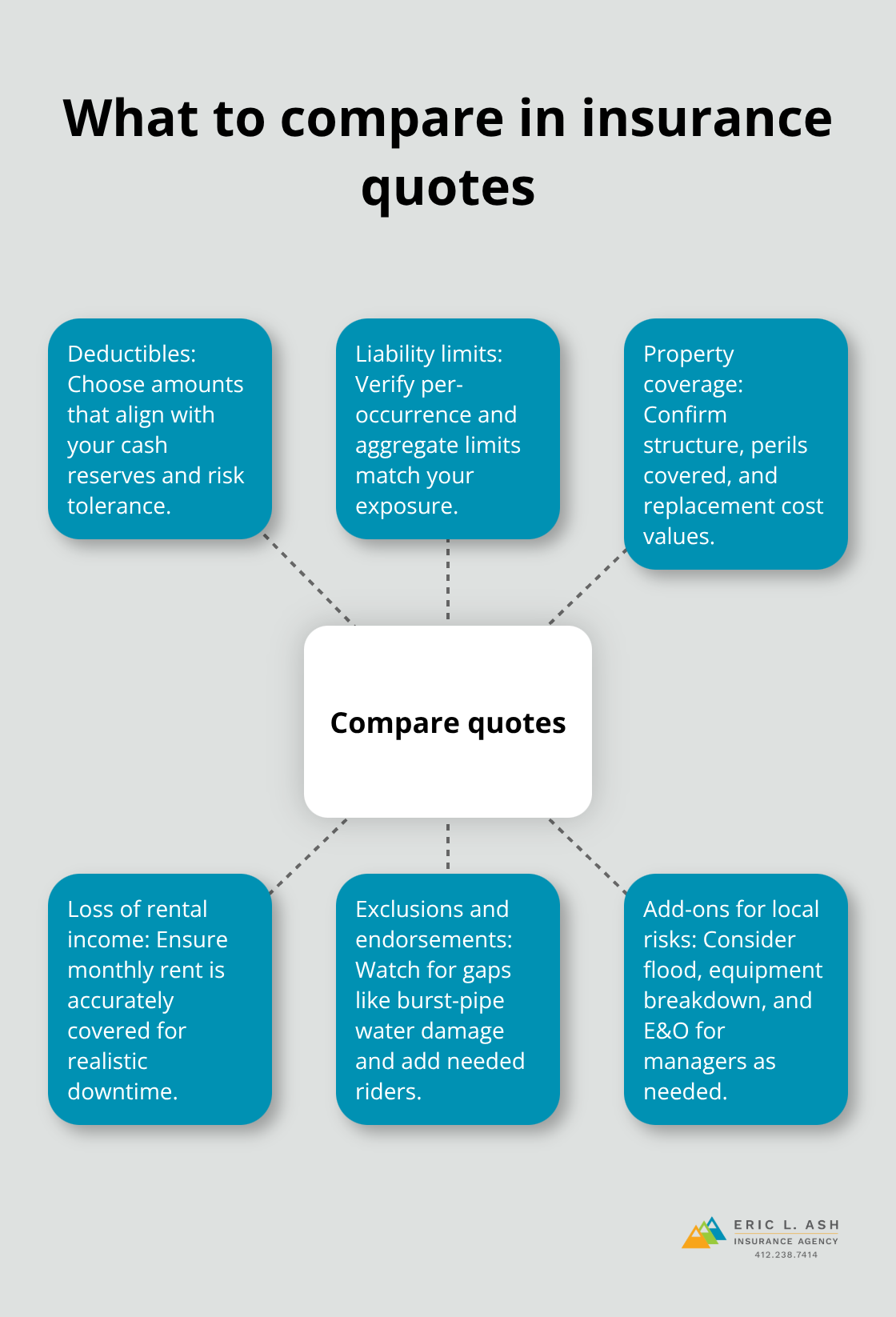
When comparing quotes from different carriers, request the same coverage limits and deductibles so premiums are truly comparable. A $1 million GL policy with a $1,000 deductible should cost roughly the same across carriers, though experience modification ratings and your claims history can shift pricing by 15 to 30 percent. If one carrier quotes $400 annually and another quotes $600 for identical coverage, the difference reflects their underwriting appetite or your risk profile-ask why before accepting the lower quote, because the cheapest option often comes with poor claims service or coverage restrictions.

Four quick steps to make subcontractor insurance quotes truly comparable - subcontractor insurance PA

Try obtaining at least three quotes before committing, and request that each carrier explain what their policy excludes for your specific trade. An HVAC subcontractor should confirm that refrigerant liability and equipment breakdown are covered or excluded; an electrical subcontractor should verify that design professional liability is available if you create custom installations. These trade-specific gaps often appear only when you read the exclusions carefully.

Final Thoughts

Subcontractor insurance PA protects your business from the financial devastation that follows a single mishap. Workers’ compensation, general liability, and equipment coverage work together to shield your income, your tools, and your reputation when claims arise. Standard policies leave gaps, and those gaps cost subcontractors thousands in uninsured losses every year.

Your contract obligations often demand specific coverage limits, so read your indemnification clauses before selecting a policy. Your actual risk profile-shaped by your trade, the projects you pursue, and the equipment you carry-should drive your coverage decisions, not just the lowest premium available. Request quotes from at least three carriers using identical coverage limits and deductibles so you can compare apples to apples.

Local Pennsylvania agents understand the state’s regulatory landscape and the real risks subcontractors face. We at Eric L. Ash Insurance Agency work with dozens of carriers to deliver competitive rates and tailored coverage backed by responsive, local customer service. Contact Eric L. Ash Insurance Agency to discuss your subcontractor insurance needs and get a quote that reflects your real business.

The information provided in this blog is for general informational purposes only and does not constitute legal, financial, or insurance advice. Coverage options, terms, and availability may vary. Please consult with a licensed professional for advice specific to your situation.

Vacation Rental Property Insurance: Guarding Your Investment

Vacation Rental Property Insurance: Guarding Your Investment

Owning a vacation rental property in Pennsylvania comes with unique risks that standard homeowners insurance simply doesn’t cover. Guest injuries, property damage from frequent turnover, and liability claims can quickly drain your profits.

Vacation rental property insurance fills those gaps and protects what you’ve built. We at Eric L. Ash Insurance Agency help property owners understand their coverage options and find the right policy for their specific situation.

Why Your Homeowners Policy Won’t Protect Your Rental

Standard Homeowners Insurance Excludes Rental Activity

Your standard homeowners insurance policy was designed for one thing: protecting a house where you live. The moment you start renting it out to guests, even for just a few nights, that policy becomes nearly worthless. Most homeowners policies explicitly exclude short-term rental activity, and many insurers will outright deny claims if they discover you operate a vacation rental. This isn’t a gray area or a technicality you can work around. It’s a hard line that separates residential coverage from commercial activity.

Guest Liability Exposes You to Massive Claims

Standard homeowners policies cap liability coverage at around $100,000 to $300,000, which sounds like protection until a guest gets seriously injured on your property. A slip on wet stairs, a fall from a deck, or a pool accident can easily generate medical bills and legal settlements that exceed these limits. Pennsylvania courts have awarded substantial damages in premises liability cases, and a single incident can wipe out years of rental income. What makes this worse is that your homeowners policy doesn’t account for the constant stream of strangers moving through your property. Each guest represents a new liability exposure that traditional policies never contemplated. Your insurer expects you to know the people in your home. With vacation rentals, you don’t.

Property Damage Accelerates With Frequent Turnover

Short-term rental properties experience dramatically higher rates of damage compared to long-term rentals or owner-occupied homes. Guest turnover means constant wear on appliances, flooring, and furnishings. A family checks out Friday morning and a different family checks in Friday afternoon. That’s 365 potential turnover events per year if your property books solid. Each transition creates opportunities for damage: broken dishes, stained furniture, damaged door locks, and wear on plumbing fixtures.

Common damage points in short-term vacation rentals - vacation rental property insurance

Water damage from burst pipes or appliance leaks historically ranks as the most expensive property damage claim in rental situations, and frequent guest use accelerates the failure of water-using equipment. Standard homeowners policies do cover some water damage, but they exclude damage from lack of maintenance or gradual wear-exactly what accumulates in high-turnover rental properties. Furnishings in vacation rentals wear out three to five times faster than in owner-occupied homes, yet standard policies treat them no differently than permanent home fixtures. Your $15,000 furniture investment depreciates rapidly under guest use, but your homeowners policy won’t replace it at current replacement cost when damage occurs.

Why Vacation Rental Insurance Fills the Gaps

The coverage gaps in standard homeowners policies create real financial exposure for Pennsylvania property owners. Vacation rental insurance addresses these gaps with protections specifically designed for short-term rental operations. The right policy covers liability claims from guest injuries, property damage from frequent turnover, and loss of rental income when your property becomes uninhabitable. Understanding what vacation rental insurance actually covers helps you make informed decisions about protecting your investment.

Core protections tailored to short-term rental operations

What Vacation Rental Insurance Actually Protects

Liability Coverage Shields You From Guest Injuries

Vacation rental insurance protects you when someone gets injured on your property and sues. A visitor slips on your deck, a child drowns in your pool, or a guest suffers food poisoning from your kitchen-these situations generate medical bills, legal defense costs, and settlement payments that can reach six figures. Vacation rental insurance typically starts with general liability coverage, which addresses both on-premises injuries and off-premises incidents involving your guests. Pennsylvania courts have consistently awarded substantial damages in premises liability cases, making robust coverage essential.

Your policy should include liquor liability coverage if you allow guests to bring alcohol, since alcohol-related incidents are commonly excluded from standard homeowners policies. Medical payments coverage, separate from liability, covers immediate medical expenses for guest injuries without requiring a lawsuit, which often resolves minor incidents faster and cheaper than litigation. Property damage coverage within your liability section protects you if a guest damages someone else’s property-for example, a guest’s car gets hit in your driveway or someone’s belongings get damaged during their stay.

Choosing the Right Liability Limits for Your Property

Most carriers offer $300,000 to $1 million in liability limits, and the right amount depends on your property’s guest capacity and amenities. A small cabin with two bedrooms needs less liability coverage than a six-bedroom house with a pool, hot tub, and fire pit. Higher-capacity properties with more guests and amenities create greater exposure to injury claims, which justifies higher liability limits.

Property Damage Coverage Protects Your Furnishings and Equipment

Water damage from burst pipes or appliance failures ranks as the most expensive claim type in short-term rentals, and your vacation rental policy covers these incidents with replacement-cost coverage rather than depreciated value. Furnishings and equipment coverage protects your furniture investment, kitchen appliances, bedding, and décor at current replacement cost, which matters because guest use accelerates wear significantly. Some policies include theft and vandalism coverage for guest-caused damage, bed bug and flea protection covering extermination costs and lost revenue during treatment, and coverage for amenities like pools, hot tubs, and off-premises equipment such as kayaks or bicycles.

Loss-of-Income Coverage Protects Your Cash Flow

Loss-of-rental-income coverage reimburses you when a covered peril makes your property uninhabitable-a kitchen fire, major water damage, or structural damage prevents guest bookings until repairs complete. This coverage pays your actual lost revenue with no time limit in many policies, which protects your cash flow during recovery. Pennsylvania’s short-term rental market shows average daily rates ranging from $127 in Philadelphia to $342 in the Poconos, with average annual revenue around $41,490 statewide, so your loss-of-income limit should reflect your property’s actual earning potential.

Higher-value properties in markets like State College, where average daily rates hit $290, need correspondingly higher income protection limits. Deductibles typically range from $500 to $2,500, and choosing a higher deductible lowers your premium but increases your out-of-pocket cost after a claim. The trade-off works best when you have cash reserves to cover the deductible and when your property generates enough income to justify premium savings.

The specific protections your policy offers depend on the carrier and the endorsements you select. Comparing what different insurers cover-and what they exclude-reveals significant differences in how well each policy actually protects your investment.

How to Choose the Right Vacation Rental Insurance for Your Pennsylvania Property

Calculate Your Actual Replacement Costs

Walk through your rental property and price out what it would cost to replace everything if a fire destroyed it completely. Document your furniture, appliances, electronics, kitchen equipment, bedding, and décor with photos and current retail prices. This exercise reveals the true value you need to protect, not a generic estimate that leaves gaps when you file a claim.

Pennsylvania vacation rental properties average annual revenues between $28,459 in Philadelphia and $58,774 in the Poconos according to Airbtics’ 2025 market data. Your loss-of-income coverage should reflect your specific property’s earning potential, not a number pulled from thin air. If your property books at a $212 average daily rate with 53.79% occupancy statewide, you protect roughly $41,490 in annual revenue. A property in State College with a $290 daily rate needs significantly higher income protection limits than a Philadelphia property at $127 per night.

Key occupancy and supply growth figures cited in the article - vacation rental property insurance

Match Liability Coverage to Your Guest Capacity and Amenities

Your property’s guest capacity and amenities directly influence liability exposure. A two-bedroom cabin with no pool needs less liability coverage than a six-bedroom house with a hot tub and fire pit where eight guests gather nightly. Properties in higher-traffic urban markets like Pittsburgh’s Strip District-Lawrenceville, which show 19.9% supply growth, experience more guest incidents, so maintaining strong general liability and medical payments coverage matters more as your market becomes more competitive and guest turnover accelerates.

Request Detailed Quotes From Multiple Insurers

Contact multiple insurers and request detailed quotes that show exactly what each policy covers and excludes. Ask specifically about bed bug and flea protection, theft by guests, and coverage for off-premises amenities like kayaks or bicycles if your property offers them. Proper Insurance, endorsed by VRBO, offers commercial general liability starting at $1 million with no occupancy restrictions and covers bed bugs, squatters protection, and liquor liability as standard features.

Choose Your Deductible Based on Cash Reserves

Your deductible choice significantly impacts your premium and claim costs. A $500 deductible costs more monthly but saves money if you file claims; a $2,500 deductible cuts your premium substantially but requires cash reserves to cover that amount out of pocket after a loss. Choose the higher deductible only if you have adequate emergency funds and your property generates enough income to absorb the extra expense.

Verify Coverage Requirements for Extended Stays

Request certificates of insurance from any renter or guest who books extended stays, and verify that your policy requires guests to carry their own liability insurance for high-value rentals where someone else’s negligence could damage your property. Vacation rental insurance is specifically designed to protect your property, income, and liability risks when you work with an independent insurance agency throughout Pennsylvania to compare quotes across multiple carriers and identify which policy actually protects your specific property rather than offering generic coverage that leaves gaps.

Final Thoughts

Protecting your Pennsylvania vacation rental property requires more than hoping your homeowners policy covers guest injuries or property damage. The gaps are real, the financial exposure is substantial, and the right vacation rental property insurance fills those gaps with protections specifically designed for short-term rental operations. You need liability coverage that accounts for constant guest turnover, property damage protection that replaces furnishings at current cost rather than depreciated value, and loss-of-income coverage that reflects your property’s actual earning potential in Pennsylvania’s diverse rental markets.

Calculate your replacement costs by walking through your property and pricing everything you would need to replace after a total loss. Match your liability limits to your guest capacity and amenities, not to a generic number that may leave you underinsured. Request detailed quotes from multiple carriers and compare what each policy actually covers and excludes, paying special attention to bed bug protection, guest theft coverage, and amenities like pools or hot tubs that increase your liability exposure.

Your deductible choice matters more than most property owners realize, since a higher deductible cuts your premium but requires cash reserves to cover that amount out of pocket after a claim. Working with a local insurance agency gives you access to multiple carriers and someone who understands Pennsylvania’s rental market variations (properties in Philadelphia face different risks than properties in the Poconos or State College). Contact Eric L. Ash Insurance Agency to discuss your specific property and receive quotes that actually protect your investment.

The information provided in this blog is for general informational purposes only and does not constitute legal, financial, or insurance advice. Coverage options, terms, and availability may vary. Please consult with a licensed professional for advice specific to your situation.
Vacation Rental Insurance Quotes: How to Compare Policies

Vacation Rental Insurance Quotes: How to Compare Policies

Running a vacation rental means juggling multiple risks at once. Without the right insurance, a single guest injury or property damage claim could wipe out your profits for the year.

We at Eric L. Ash Insurance Agency help property owners in Pennsylvania find vacation rental insurance quotes that actually match their needs. This guide walks you through comparing policies so you can protect your business without overpaying.

The Three Coverage Types Your Vacation Rental Actually Needs

Liability Protection Stops Guest Injuries From Destroying Your Business

Guest injuries happen more often than most property owners expect. A single slip-and-fall accident on your deck or a guest injured in your hot tub can result in medical bills exceeding $100,000. Standard homeowners policies exclude short-term rental activity, which means you have zero coverage if someone gets hurt during a paid stay. Commercial General Liability coverage starting at $1 million with both on- and off-premises protection forms the baseline for any vacation rental operation.

If your property includes amenities like pools, hot tubs, bikes, or kayaks, you need explicit amenities liability coverage because standard policies often exclude injuries tied to guest-use items. Liquor liability matters too-if you provide alcohol or allow guests to drink on your property, alcohol-related injury claims fall outside typical homeowners coverage and require a specific endorsement.

Property Damage Coverage Protects Your Building and Contents

Property damage coverage protects the actual building and your belongings inside it. Look for Build and Contents Coverage using new-for-old replacement cost with no occupancy restrictions, including periods when the property sits vacant between guests. This matters because many standard landlord policies deny claims if the home is unoccupied, yet vacation rentals frequently have gaps between bookings.

Property entrustment coverage is the piece most hosts overlook-it protects against theft, vandalism, and damage caused by guests themselves, which standard policies often exclude. This endorsement fills a critical gap that leaves many property owners exposed.

Loss of Income Protection Covers Your Revenue When Claims Strike

Loss of income protection is non-negotiable if hosting represents meaningful revenue. Business Revenue Protection should cover actual loss sustained if a covered claim prevents you from renting, with no time limit and coverage up to your chosen amount. A guest causes severe water damage requiring a month of repairs-without loss of income coverage, you absorb that entire month’s lost bookings out of pocket.

When comparing quotes, verify the income protection cap aligns with your typical monthly rental revenue, not just your best month. This alignment ensures you won’t face a shortfall when you need the coverage most. Understanding these three pillars prepares you to evaluate quotes effectively and spot which carriers offer the protection your specific property demands.

Hub-and-spoke visual showing the three core coverage pillars for U.S. vacation rentals - vacation rental insurance quotes

How to Get and Compare Vacation Rental Insurance Quotes

Document Your Property and Operations First

You need accurate information before contacting carriers. List your property’s replacement cost, not what you paid for it years ago-construction costs in Pennsylvania have climbed significantly, and underestimating this number means underinsuring your building. Write down your annual rental revenue, monthly average occupancy rate, and the specific amenities you offer. If you rent through Airbnb, VRBO, or both, note that detail because some carriers price differently based on platform risk profiles. Document any guest incidents from the past year, even minor ones, because underwriters will ask and omissions can void coverage later. Gather information about your local regulations too-Philadelphia’s two-tier licensing system, Pittsburgh’s inspection requirements, or the Pocono region’s occupancy limits all affect your risk profile and should influence the coverage limits you request.

Request Quotes Using Consistent Information

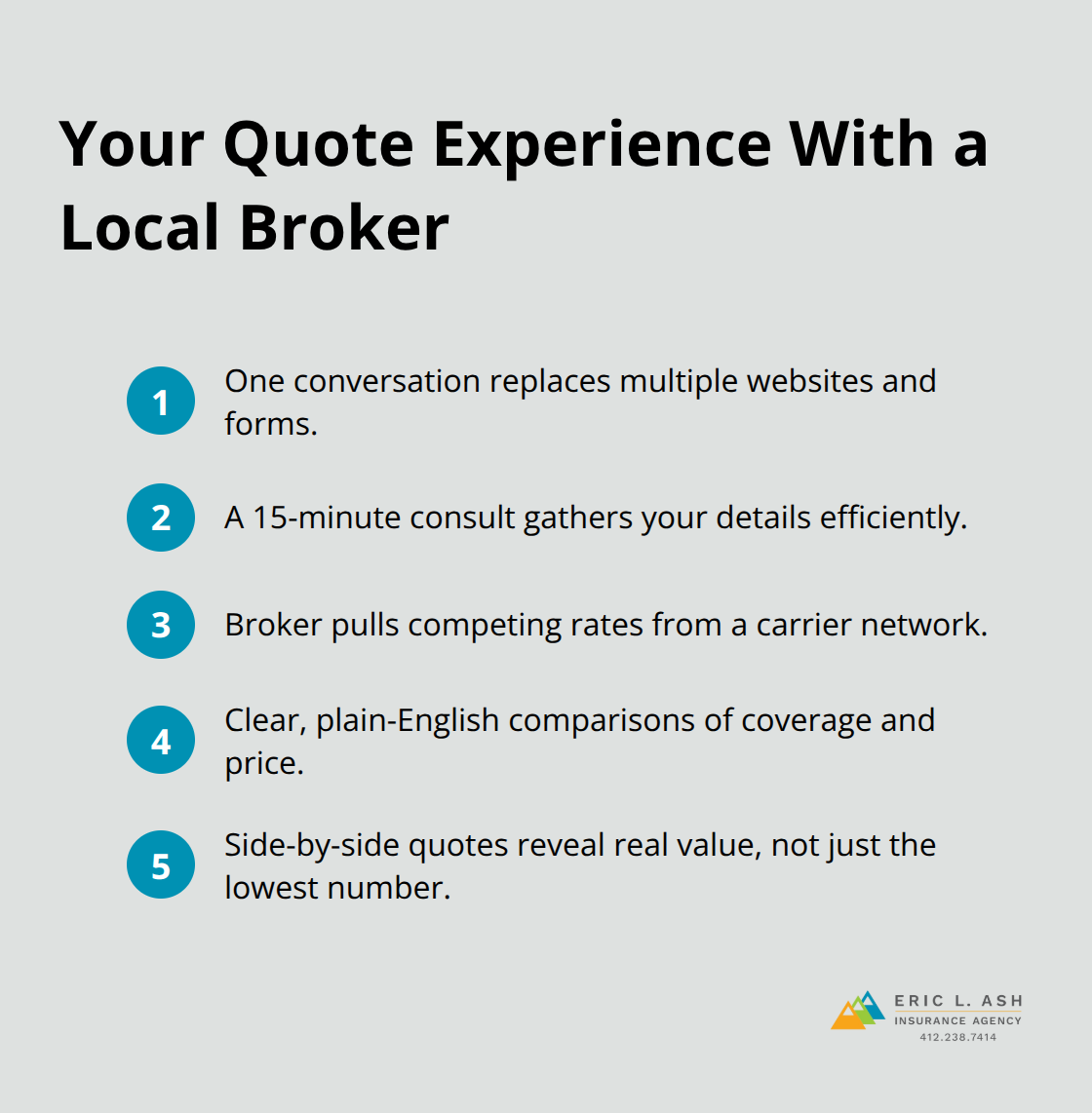
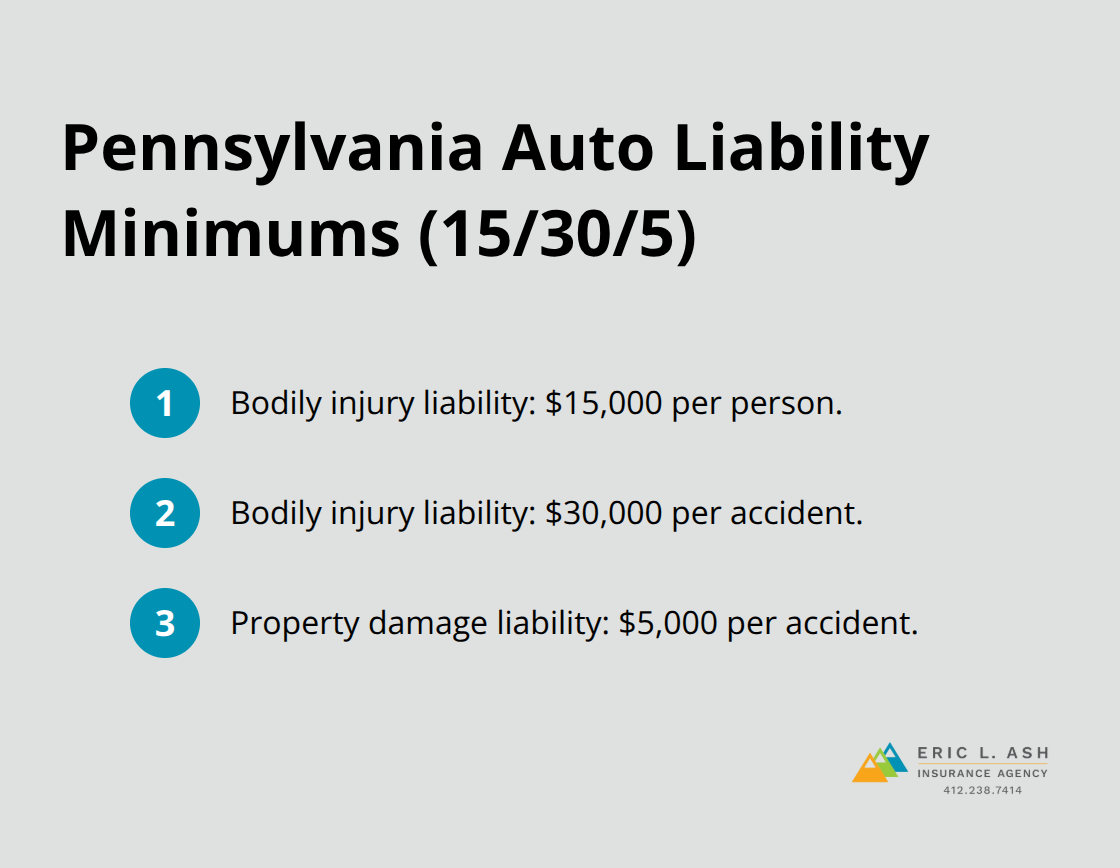
When you reach out to the Eric L. Ash Agency, specify that you need vacation rental coverage, not landlord insurance or standard homeowners protection. Many agents default to cheaper options that exclude short-term rental activity entirely. Ask each carrier for their Commercial General Liability limit, property replacement cost coverage, loss of income protection cap, and any specific endorsements for amenities or pet liability. Request quotes for the same deductible across all three carriers-say $2,500-so you compare apples to apples. We offer dedicated vacation rental policies that typically respond faster and more accurately than agents trying to cobble together coverage from standard products. As an independent agency we shop multiple carriers simultaneously, which saves you time and ensures you don’t miss competitive options in the market.

Compact checklist of steps to request consistent vacation rental insurance quotes in the U.S.

Compare Coverage Details, Not Just the Premium

Line up the quotes and create a simple spreadsheet comparing liability limits per occurrence, property damage caps, loss of income maximums, and deductibles. A $300 annual premium sounds great until you realize it caps liability at $500,000 when your property exposure demands $1 million. Check whether each policy covers your property during vacant periods-this matters enormously for vacation rentals with booking gaps. Verify that amenities coverage includes off-premises items if you provide kayaks or bikes guests take away from your property. Look at the loss of income coverage carefully; some policies limit payouts to 90 days or cap them at a percentage of annual revenue rather than actual loss sustained. Pennsylvania hosts managing multiple properties should ask about portfolio discounts, which can reduce premiums 10 to 20 percent when you insure several rentals with one carrier. The cheapest quote rarely delivers the best protection, and the most expensive quote often includes coverage you don’t need-your goal is finding the middle ground where premium and protection align with your actual operational risk.

Once you’ve narrowed your options to the top two or three carriers, you’re ready to evaluate the mistakes that trip up most property owners during the final selection process.

Three Ways Hosts Sabotage Their Own Coverage

Most property owners waste time comparing vacation rental quotes only to pick the wrong policy. The culprit isn’t complicated underwriting or confusing policy language-it’s three preventable mistakes that cost hosts thousands in uncompensated losses. The cheapest premium rarely delivers adequate protection, coverage gaps hide in plain sight, and outdated quotes become worthless the moment your business changes. Pennsylvania hosts managing properties across Philadelphia, Pittsburgh, the Pocono region, and beyond face compounding risk when they ignore these traps, especially given the state’s patchwork municipal regulations that can shift your exposure overnight.

Price-Focused Shopping Destroys Adequate Protection

Price-focused shopping destroys more vacation rental operations than any other decision error. A host sees a $400 annual quote and selects it over a $650 option without comparing what each policy actually covers. That $250 savings vanishes the moment a guest suffers a serious injury and the cheaper policy’s $500,000 liability cap proves catastrophically insufficient. Proper Insurance’s commercial-grade policies, backed by Lloyd’s of London, command higher premiums than bare-bones options, but they deliver $1 million liability minimums and business revenue protection without occupancy restrictions-the features that actually matter when claims happen.

Request specific numbers from each carrier: ask what their liability cap is per occurrence, what they’ll pay if you lose a month of bookings to a water damage claim, and whether they cover your property during the two-week gaps when guests check out and new arrivals haven’t arrived. A policy costing $100 more annually but covering actual loss of income with no time limit outperforms a discount option that reimburses only 50 percent of lost revenue for up to 60 days.

Percentage callout illustrating a common reimbursement cap in lower-cost policies

Coverage Gaps Hide in Plain Sight

Exclusions outline what your insurance policy does not cover. You’ll compare three quotes, see that all three mention liability protection, and assume they’re equivalent-then a guest’s dog bites someone and you discover only one policy includes pet liability, while the other two exclude it outright. Property entrustment coverage, which protects against guest-caused damage and theft, appears in comprehensive policies but vanishes entirely from stripped-down offerings.

Amenities coverage for pools, hot tubs, and off-premises items like kayaks varies wildly: some carriers include it automatically, others require expensive endorsements, and a few exclude it completely. Before selecting any policy, create a checklist of your specific exposures-do you provide alcohol, own a hot tub, offer bikes to guests, rent in Philadelphia where zoning violations carry steep penalties, or operate in Pittsburgh where the new Rental Permit Program adds compliance costs? Match that checklist against each quote’s actual coverage language, not the marketing summary.

Outdated Quotes Create False Confidence

Outdated quotes become worse than useless because they create false confidence. You request quotes in January, select a policy in February, and operate all year without revisiting your coverage-then you add a second property, increase your guest count from 20 to 40 bookings monthly, or discover that Pittsburgh’s enforcement of its rental permit program has accelerated. Your original quote assumed single-property operations and moderate occupancy; neither assumption still holds.

Loss of income caps that seemed adequate at 20 bookings per month leave you dramatically underinsured at 40. Some carriers offer portfolio discounts when you add properties, potentially saving 10 to 20 percent on premiums, but you’ll never access that savings if you don’t request updated quotes. Changes in your business-adding amenities, scaling to multiple properties, shifting platforms from Airbnb to VRBO, or relocating to a municipality with stricter regulations-all warrant fresh quotes.

Request new quotes annually even if nothing changes, because carrier appetite for vacation rental business fluctuates and competitors regularly adjust rates and coverage terms. An independent agency that shops multiple carriers can monitor these shifts and alert you when your coverage needs adjustment, eliminating the burden of tracking policy adequacy yourself.

Final Thoughts

Comparing vacation rental insurance quotes comes down to three core principles: prioritize coverage over price, verify that each policy addresses your specific property risks, and refresh your quotes whenever your business changes. The cheapest option rarely protects you adequately, and gaps in coverage often hide in policy language until a claim forces you to find them too late. A $1 million liability limit with business revenue protection and property entrustment coverage outperforms a discount policy that caps liability at $500,000 and excludes guest-caused damage, even if the premium costs more annually.

Your next step is straightforward: gather your property details, occupancy rates, and local regulatory requirements, then request quotes from at least three carriers using identical information. Create a spreadsheet comparing liability limits, property damage caps, loss of income maximums, and deductibles across all three options. Verify that each policy explicitly covers short-term rental activity on your platform and includes endorsements for your specific amenities.

We at Eric L. Ash Insurance Agency shop multiple carriers simultaneously, which means you receive competitive vacation rental insurance quotes without spending hours on the phone with individual insurers. Our agents know which carriers respond fastest to claims, which ones offer portfolio discounts for multiple properties, and which policies actually deliver the protection you need when incidents occur. Contact Eric L. Ash Insurance Agency to request quotes tailored to your property and business model.

The information provided in this blog is for general informational purposes only and does not constitute legal, financial, or insurance advice. Coverage options, terms, and availability may vary. Please consult with a licensed professional for advice specific to your situation.
Student Driver Car Insurance: A Beginner's Guide

Student Driver Car Insurance: A Beginner’s Guide

Getting your student behind the wheel is exciting, but student driver car insurance adds a layer of complexity that catches many families off guard. Insurance costs for young drivers can spike dramatically, and without the right information, you might overpay significantly.

At Eric L. Ash Insurance Agency, we’ve helped Pennsylvania families navigate this process. This guide walks you through what you need to know to find affordable coverage and help your student build safer driving habits.

Why Student Drivers Cost More to Insure

A student driver represents a specific insurance category that triggers higher premiums across the board. Insurance companies define a student driver as someone under 25 who is learning to drive or has limited driving experience, typically someone who recently obtained their license or is still operating under a learner’s permit. The age matters significantly because statistics show that drivers aged 16 to 19 have higher crash rates than drivers aged 20 and older, according to data from the National Highway Traffic Safety Administration. This isn’t about judgment-it’s raw math. Insurance companies price based on risk, and inexperienced drivers statistically cause more accidents. When you add a student to your policy, your premiums jump substantially. The increase depends on your student’s age, the vehicle they’ll drive, and Pennsylvania’s specific insurance requirements. A 16-year-old will typically cost more to insure than a 19-year-old with two years of driving experience.

The Real Cost of Inexperience

Your student’s age and driving history are the two factors that matter most when calculating their insurance rate. A 16-year-old with a fresh learner’s permit will pay significantly more than an 18-year-old who has been driving safely for two years. Rates drop measurably each year of safe driving until age 25, when insurance companies treat drivers as fully mature from a risk perspective. This means your student’s insurance costs will naturally decrease if they maintain a clean driving record-no accidents, no traffic violations. The vehicle choice also influences the final premium. Pickup trucks, minivans, and small SUVs typically cost less to insure than sports cars or luxury vehicles, partly because they have strong safety records and lower replacement costs if damaged. If your student doesn’t own a car yet and will drive a family vehicle with permission, that car’s safety features and value matter to your insurer. A newer vehicle with advanced safety technology may actually cost less to insure than an older model, despite the newer car’s higher market value.

How Adding a Student Changes Your Policy

When you add your student to your existing auto policy, your total premium increases, but it’s often cheaper than purchasing a separate policy for them. The exact savings depend on whether your household has other violations or accidents on record. If you have a clean driving history, adding your student to your policy makes financial sense. However, if you’ve had recent tickets or accidents, your student might actually qualify for lower rates on their own separate policy, since their premium won’t be bundled with your driving record. This is where shopping around becomes essential. Get quotes from multiple insurers-both for adding your student to your existing policy and for a standalone policy in their name. The difference can be hundreds of dollars annually. Some families find that one insurer offers better rates for bundling while another charges less for a separate policy. As an independent agency, we shop multiple carriers to help Pennsylvania families compare these exact scenarios and find the approach that saves them the most money.

Discounts That Lower Student Driver Costs

Student drivers qualify for several discounts that can meaningfully reduce what you pay. The good student discount applies to full-time students who maintain at least a B average or better-this discount is available in most states and can lower your premium. Some insurers offer discounts when you add a new teenage driver to your policy within the past year. If your student completes a qualifying driver safety course, you may qualify for an additional discount. Bundling auto insurance with home, renters, or other policies can save you money. These discounts stack, so a student with good grades who completes a safety course and bundles policies can see substantial savings compared to the base rate. The key is asking your insurer about every discount your student qualifies for-many families miss savings simply because they don’t ask.

Checklist of discounts student drivers can use to lower premiums - student driver car insurance

Safe Driving Programs and Monitoring

Many insurers now offer telematics programs that monitor your student’s driving habits and reward safe behavior with discounts. These programs can reward up to 30% for safe driving and provide real-time feedback to help your student improve. The programs track acceleration, braking, speed, and time of day your student drives, then translate that data into actionable insights. Your student sees exactly where they need to improve, and you get visibility into their driving patterns. Not all states offer these programs, but they’re becoming increasingly common. If your insurer offers one, enrollment typically costs nothing and can pay for itself within months through the discount alone. This approach addresses the core reason student drivers cost more-their inexperience-by creating incentives for safer habits from day one. The next step in controlling costs involves understanding which coverage options your student actually needs and how to avoid overpaying for protection you don’t require.

How to Find the Right Coverage at the Right Price

Get Quotes from Multiple Insurers

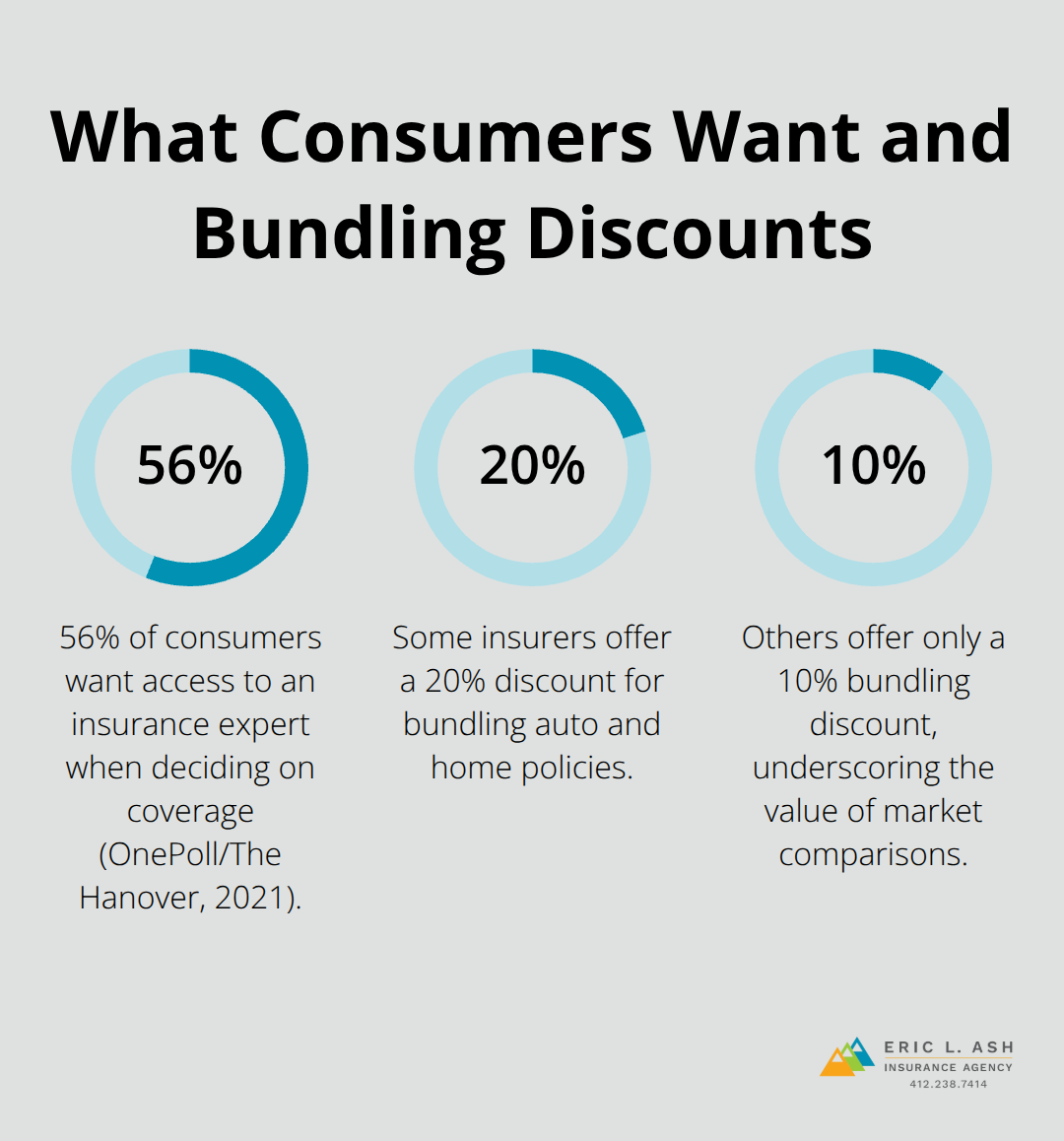
Shopping for student driver insurance demands a systematic approach, and most families make costly mistakes by accepting the first quote they receive. Start by obtaining quotes from at least three different insurers, and specifically request quotes for two scenarios: adding your student to your existing policy and purchasing a separate policy in their name. The price difference between these approaches often surprises families. Bundling auto with home insurance can save over $950, and adding other coverages like renters or RV policies yields even more savings. However, this assumes your household qualifies for the bundling discount at that particular insurer.

Your situation might differ significantly. A student with a clean record added to a parent’s policy with violations might actually pay less on a standalone policy. When you request quotes, provide identical information to each insurer: your student’s age, driving history, the vehicle they’ll use, and your desired coverage limits.

Understand Pennsylvania’s Minimum Requirements

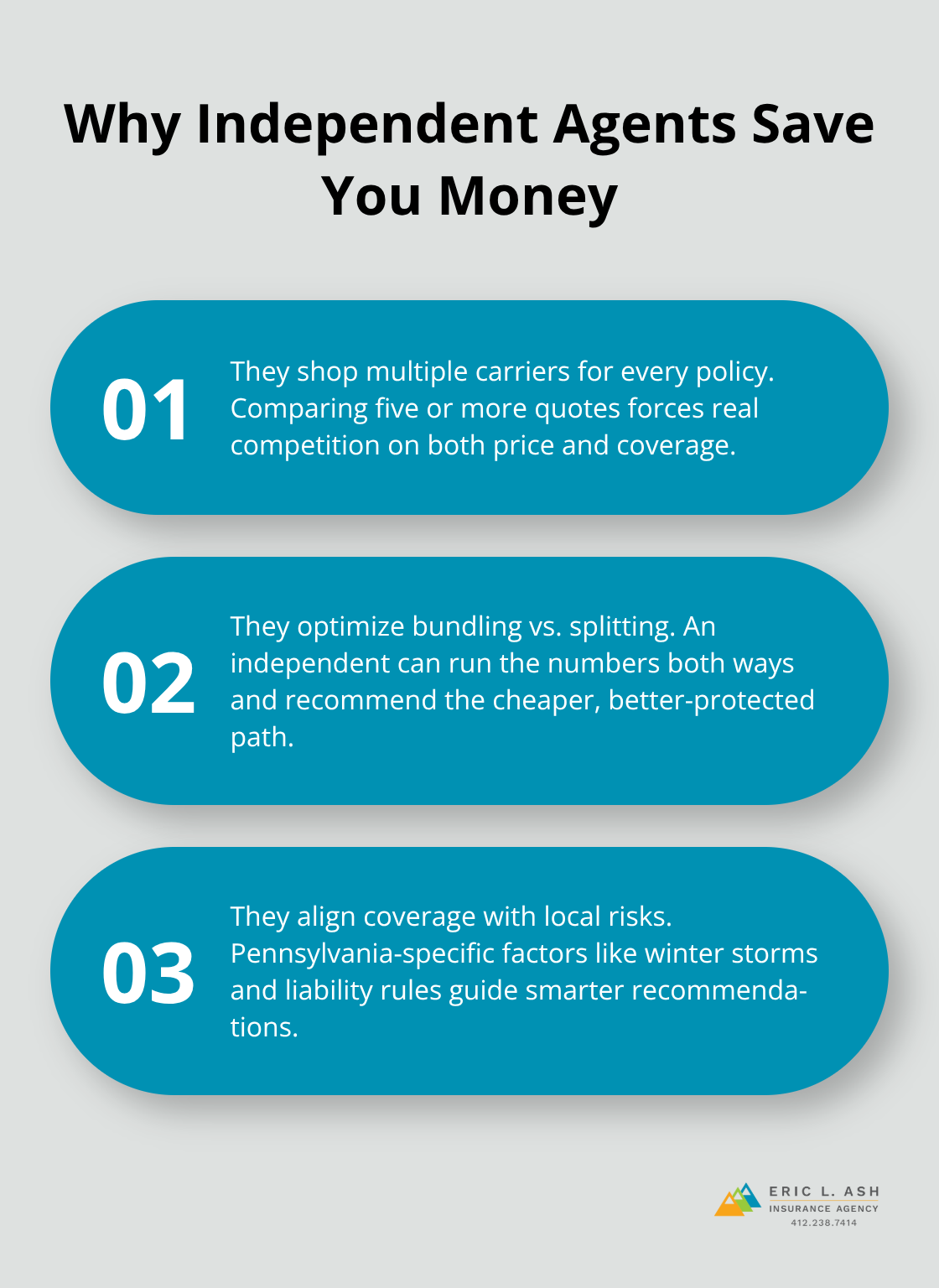
Pennsylvania requires minimum liability coverage of $15,000 for injury or death to one person, $30,000 for injury or death to multiple people, and $5,000 for property damage. Many families stop at these minimums, but that’s genuinely a mistake. Medical bills from a serious accident far exceed these limits, and a lawsuit can follow.

Ordered list of Pennsylvanias required minimum auto liability limits

Try coverage limits of at least $100,000 per person and $300,000 per accident to protect your family’s assets. Higher limits add minimal cost when you’re getting quotes anyway.

Stack Discounts to Maximize Savings

The discounts available to student drivers are substantial, and most families capture only a fraction of what they qualify for. A good student discount applies when your student maintains at least a B average and typically saves 10 to 15 percent on premiums. Some insurers offer an additional new teen driver discount when you add a teenage driver to your policy within the past year. If your student completes a driver safety course, you qualify for another discount. If your student attends school away from home and drives only occasionally, a student-away-at-school discount applies. If you have military service, homeownership, or alumni association membership, those generate additional discounts.

Stacking these discounts compounds the savings. A student with a B average who completes a safety course and qualifies for an alumni discount could reduce their base rate by 30 percent or more. When comparing quotes, ask each insurer to itemize every discount applied and every discount your student doesn’t yet qualify for but could earn.

Consider Telematics Programs for Additional Savings

Some insurers offer telematics programs that reward safe driving with up to 30 percent discounts, though these programs vary by state and insurer. These monitoring systems track acceleration, braking, speed, and time of day your student drives, then translate that data into actionable insights. Your student sees exactly where they need to improve, and you get visibility into their driving patterns.

Percentage savings from good student and telematics programs - student driver car insurance

Enrollment typically costs nothing and can pay for itself within months through the discount alone.

The key insight most families miss: the lowest quote from one insurer might not remain the lowest after you stack discounts at another insurer. Request quotes with all available discounts applied before you compare final prices. Once you’ve identified the most affordable option, the next step involves understanding how your student’s actual driving behavior influences their long-term costs and what actions they can take to keep premiums low.

Building Better Rates Through Grades and Safe Driving

How Good Grades Lower Your Student’s Premium

Your student’s grades matter more than most families realize. A B average qualifies your student for a good student discount that can reduce premiums by 5% to 15%, making it one of the easiest discounts to earn. The discount applies to full-time students under 25 who maintain that threshold, and it costs nothing except maintaining decent academic performance. What surprises most families is that this discount persists across multiple insurers, making it genuinely portable if you switch coverage later.

The math is straightforward: a student paying $2,000 annually saves $100 to $300 just by keeping a B average. That’s real money that compounds year after year. Some insurers bundle this with a new teen driver discount when you add a teenager to your policy within the past year, stacking savings on top of the grade-based reduction. Verify with your insurer that your student qualifies and that the discount actually appears on your bill. Insurers don’t always automatically activate discounts, so requesting confirmation ensures you capture what you’ve earned.

Safe Driving Programs That Reward Good Behavior

Telematics programs represent the most aggressive approach to lowering rates through behavior change. These monitoring systems reward safe driving with up to 30 percent discounts (though availability varies by state and insurer) and track acceleration, braking, speed, and time of day your student drives. Enrollment costs nothing, and your student receives real-time feedback showing exactly where their driving needs improvement.

A 16-year-old who completes a telematics program for six months often qualifies for a substantial rate reduction starting immediately, and the discount typically persists even after the monitoring period ends. The data from these programs proves invaluable: your student sees the connection between smooth acceleration, moderate speeds, and lower insurance costs in tangible terms. This transparency motivates safer habits far more effectively than lectures about responsibility.

How a Clean Driving Record Compounds Your Savings

A clean driving record compounds these savings significantly. Each year without accidents or traffic violations allows your premium to drop measurably until age 25, when insurance companies treat drivers as fully experienced. One accident or speeding ticket can erase years of safe driving discounts and trigger a rate increase lasting three to five years.

This means a single poor decision at age 17 costs your family thousands in elevated premiums through age 22. Your student’s actual driving behavior directly controls whether they pay $1,800 or $2,400 annually for the same coverage. The incentive structure is powerful: maintaining a clean record translates directly into lower costs that accumulate over time.

Final Thoughts

Student driver car insurance doesn’t have to drain your family budget. Shop multiple insurers for both bundled and standalone policies, stack every discount your student qualifies for, and enroll in a telematics program if your insurer offers one. A student with good grades, a clean driving record, and safe driving habits will see their premiums drop measurably each year until age 25.

Your student’s first year of driving sets the tone for years to come. One accident or traffic violation can cost thousands in elevated premiums, while maintaining a clean record compounds savings annually. Pennsylvania requires proof of insurance at vehicle registration, and driving uninsured carries penalties including fines, license suspension, and registration suspension.

Contact Eric L. Ash Insurance Agency to get quotes for your student driver and find which discounts apply to your situation. We shop multiple carriers to find the rates and coverage that fit your family’s specific needs. Your first conversation costs nothing, and the savings often exceed what you’d find shopping alone.

The information provided in this blog is for general informational purposes only and does not constitute legal, financial, or insurance advice. Coverage options, terms, and availability may vary. Please consult with a licensed professional for advice specific to your situation.
Commercial Vehicle Insurance Rates: What Affects the Premiums

Commercial Vehicle Insurance Rates: What Affects the Premiums

Running a business with commercial vehicles means managing costs carefully. Commercial vehicle insurance rates can vary dramatically based on factors you might not expect, and understanding what drives those premiums is the first step toward smarter spending.

At Eric L. Ash Insurance Agency, we’ve helped countless Pennsylvania business owners find coverage that fits their needs and budget. This guide walks you through the real factors that shape your rates and shows you concrete ways to reduce what you pay.

What Drives Your Commercial Vehicle Insurance Premiums

Vehicle Type and Weight Matter Most

The vehicle sitting in your lot shapes your insurance costs more than almost any other factor. A box truck costs substantially more to insure than a sedan, and a tractor-trailer can run $3,000 to $5,000 or more annually per vehicle depending on risk factors, compared to $1,200 to $2,500 for lighter vehicles. Heavier vehicles cause more damage in accidents, which means higher repair bills and greater liability exposure for insurers. Vehicle type directly shapes your premium because the physics of a collision involving a 30,000-pound truck differs dramatically from one involving a 4,000-pound car.

How You Use Your Vehicle Affects Your Rate

How you operate that vehicle matters equally. A contractor running a pickup locally faces different rates than one hauling materials across state lines daily. Annual mileage and distance traveled multiply your accident risk, so a delivery service clocking 50,000 miles yearly will pay more than a consulting firm with a single sedan driven 5,000 miles annually. Urban routes in Philadelphia or Pittsburgh also cost more to insure than rural operations due to higher traffic density, theft risk, and accident frequency in those areas.

Driver Records Drive Premium Costs

Your drivers are the single biggest factor insurers evaluate, and their records directly determine what you pay. A clean driving history lowers premiums significantly, while accidents, violations, or DUIs spike costs immediately. Bodily injury loss costs rose 9.2 percent from 2023 to 2024, driven partly by more uninsured motorists and medical cost inflation. Speeding alone accounts for 28 percent of traffic fatalities, and among speeding-related fatal crashes, 52 percent of drivers weren’t wearing seatbelts, increasing crash severity and claim amounts.

Infographic showing percentages for speeding-related fatalities, lack of seatbelt use, and work-related distracted-driving crashes.

Inexperienced drivers have higher rates of preventable crashes, which is why the commercial driver shortage pushing more inexperienced operators behind the wheel directly raises fleet insurance costs.

Safety Technology Reduces Your Premiums

Safety technology and features cut through the noise here. Telematics systems, collision avoidance technology, and anti-theft devices demonstrate reduced risk to insurers and often qualify you for measurable discounts. A fleet investing in formal safety programs and driver training shows insurers you take risk seriously, and that commitment translates to lower premiums over time. These investments signal to carriers that you manage your operation with care, which opens the door to better rates and more favorable terms when you shop for coverage.

How Your Industry Shapes What You Pay

Construction and Delivery Services Face Higher Theft and Distance Risk

Construction companies and delivery services operate under dramatically different risk profiles than rideshare fleets or hazmat carriers, and insurers price accordingly. Construction vehicles face higher theft risk, operate in unpredictable environments, and often carry expensive equipment or materials. A contractor’s pickup used for local jobs costs less than one making long-haul deliveries across multiple states, because distance multiplied by cargo value and accident exposure drives premiums upward. Delivery services in urban centers like Philadelphia and Pittsburgh pay substantially more than rural operations due to traffic density and accident frequency in those areas.

Hub-and-spoke diagram showing how industry-specific risks influence commercial vehicle insurance costs. - commercial vehicle insurance rates

Fleet Size Multiplies Your Total Costs

The gap between a single-vehicle operation and a fleet of five delivery trucks isn’t just additive-it’s multiplicative. Larger fleets attract higher total premiums even if per-vehicle discounts apply. A contractor managing one pickup pays far less than one operating ten vehicles, though the per-vehicle rate may drop slightly with volume.

Passenger Transport Demands the Highest Coverage Limits

Passenger transport and rideshare operations face the steepest rate increases because human liability exposure dwarfs property damage concerns. A rideshare driver carrying passengers faces fundamentally different risk than a contractor hauling materials, and Pennsylvania’s minimum liability requirements reflect this reality. For passenger carriers, the state requires Pennsylvania’s minimum liability requirements for passenger carriers of $5,000,000 combined single limit per accident per vehicle-a requirement that drives premiums dramatically higher for larger operations.

Hazmat and Specialized Cargo Add Regulatory Complexity

Specialized cargo and hazmat transport introduces regulatory complexity beyond basic liability. These carriers must file binding evidence of insurance with the Pennsylvania Public Utility Commission through Tyler Insurance Filings within 60 days or face application dismissal. Cargo insurance minimums sit at 5,000 per accident, but actual cargo values often demand higher limits. Carriers hauling hazardous materials face additional federal Motor Carrier Safety Administration requirements tied to their USDOT number, and non-compliance creates both premium penalties and operational shutdowns.

Your industry determines your baseline cost, and regulatory requirements add mandatory layers that generic policies cannot cover. Shopping for carriers experienced in your specific sector matters far more than finding the cheapest quote, because an underinsured rideshare operation or a cargo hauler without proper FMCSA compliance faces catastrophic financial exposure when incidents occur. The strategies that work for one industry may leave another dangerously exposed, which is why the next section focuses on concrete steps you can take to lower costs without sacrificing the protection your operation actually needs.

How to Cut Your Commercial Vehicle Insurance Costs

The strategies that actually work to lower your premiums fall into two camps: reducing your risk profile so insurers charge you less, and shopping aggressively to find carriers willing to compete for your business. Most Pennsylvania business owners focus only on the second part and miss the first entirely, which means they leave money on the table year after year. The real savings come from combining both approaches simultaneously.

Build a Strong Safety Record to Qualify for Lower Rates

Your driver records and fleet safety practices form the foundation of lower rates because they directly address what insurers fear most: claims. A single accident or violation spikes your premium immediately, but a clean driving history compounds discounts over multiple years. Bodily injury loss costs rose 9.2 percent from 2023 to 2024, which means insurers scrutinize driver behavior more carefully than ever. Formal fleet safety programs with documented driver training show carriers you take prevention seriously, and that commitment translates into measurable rate reductions.

Use Technology and Policies to Demonstrate Risk Management

A contractor or delivery service that tracks mileage, enforces seatbelt use, and monitors speeding through telematics systems qualifies for discounts that can offset the cost of the technology within months. Distracted driving policies carry equal weight because 25 percent of employees report crashes or collisions while driving for work due to mobile-device distractions, according to the Travelers Risk Index. Enforcing a no-phone policy and providing hands-free solutions demonstrates risk management that insurers reward with lower quotes. The investment in safety infrastructure pays dividends immediately when you shop for renewal quotes, because carriers see documented evidence that your operation runs tighter than your competitors.

Adjust Your Deductible Based on Your Claim History

Raising your deductible from $500 to $1,000 or $1,500 lowers your monthly premium substantially, but only if your fleet’s claim frequency supports that trade-off. A delivery service with multiple minor incidents annually should not pursue higher deductibles, while a contractor with a clean five-year record can safely absorb larger out-of-pocket costs per claim.

Shop Multiple Carriers and Bundle Your Policies

Shopping multiple carriers annually is non-negotiable because rates shift constantly based on loss trends and competitive positioning. A quote from three carriers often reveals $2,000 to $4,000 in annual savings, and bundling your commercial auto policy with general liability or property coverage multiplies discounts further. An independent agent can leverage relationships with dozens of carriers to shop multiple markets and deliver competitive rates tailored to your specific operation, whether you work with a local agency or request quotes directly from insurers online.

Compact checklist of five actionable steps to lower commercial vehicle insurance premiums. - commercial vehicle insurance rates

Final Thoughts

Your commercial vehicle insurance rates reflect decisions you make every day about how you operate your business. Vehicle type, driver records, mileage, and safety practices shape what you pay, while your industry and location add additional cost layers that vary dramatically between carriers. The real opportunity lies in recognizing that shopping multiple insurers reveals $2,000 to $4,000 in annual savings, since carriers price identical risk differently based on their claims experience and underwriting appetite.

Start by reviewing your current coverage and driver records to spot quick wins that reduce your risk profile. Implement telematics or formal safety programs if you haven’t already, because these investments signal to insurers that you manage your operation with care and lower your commercial vehicle insurance rates accordingly. Then request quotes from at least three carriers and compare coverage levels alongside premiums to find the best fit for your specific operation.

We at Eric L. Ash Insurance Agency work with dozens of carriers to shop multiple markets and deliver competitive rates tailored to your business. Whether you operate a single vehicle or manage a fleet, our team handles the complexity so you can focus on running your business. Contact us today to discuss your coverage needs and get a quote that reflects the true value of your operation.

The information provided in this blog is for general informational purposes only and does not constitute legal, financial, or insurance advice. Coverage options, terms, and availability may vary. Please consult with a licensed professional for advice specific to your situation.
Commercial Automobile Insurance PA: A Practical Guide

Commercial Automobile Insurance PA: A Practical Guide

Running a business in Pennsylvania means managing multiple risks, and your commercial vehicles are among the biggest. Commercial automobile insurance PA protects your fleet, your employees, and your bottom line when accidents happen.

We at Eric L. Ash Insurance Agency help business owners navigate coverage options that actually fit their operations. This guide walks you through what’s covered, how to choose the right protection, and where you can cut costs without cutting corners.

What Your Commercial Auto Policy Actually Covers

Pennsylvania state law requires every commercial vehicle to carry liability coverage, with minimums of $15,000 per person and $30,000 per accident for bodily injury, plus $5,000 for property damage. These minimums exist because accidents happen, and when they do, the other party’s medical bills and vehicle repairs become your financial responsibility. Liability coverage pays for injuries and damage your vehicle causes to someone else-not damage to your own vehicle or employees. Many Pennsylvania business owners mistakenly assume their personal auto policy covers work driving, but it doesn’t. Personal policies explicitly exclude business use, which means you’re driving uninsured from a legal standpoint if you use a personal vehicle for business operations.

State Minimums vs. What You Actually Need

If you operate heavier trucks, your liability requirements climb significantly. Property carriers with vehicles under 10,000 pounds need bodily injury coverage of at least $300,000 per accident, while those over 10,000 pounds must carry $750,000 per accident. Cargo coverage adds another layer-you need at least $5,000 minimum for loss or damage to cargo per accident if you transport goods. These aren’t suggestions; Pennsylvania Code sections 52 Pa. Code §32.11 and §32.13 govern them. Collision and comprehensive coverage protect your own vehicles rather than the other party. Collision covers accidents with other vehicles or objects, while comprehensive handles theft, weather, and vandalism. These coverages aren’t mandatory under Pennsylvania law, but if you financed or leased your vehicles, your lender requires them. The cost difference between a $500 deductible versus $1,000 can run $200 to $400 annually per vehicle, so the math matters when you manage a fleet.

Protection When Other Drivers Fall Short

Uninsured and underinsured motorist coverage is where most Pennsylvania business owners cut corners and regret it later. If another driver hits your vehicle and carries no insurance or insufficient coverage, this protection covers your medical expenses and vehicle repairs up to your policy limit. Roughly 12% of drivers on Pennsylvania roads are uninsured according to industry data. Your employees ride in your vehicles, and if they suffer injuries in an accident caused by an uninsured driver, you face potential lawsuits without this protection.

Percentage of uninsured drivers in Pennsylvania and why UM/UIM matters

Medical payments coverage works separately-it pays immediate medical expenses for you and your passengers regardless of fault. This coverage handles hospital visits, surgeries, and rehabilitation up to your selected limit.

Coverage for Vehicles You Don’t Own

Non-owned and hired auto liability protects your business when employees use personal vehicles for work or when you rent vehicles occasionally. This coverage protects your business when someone suffers injury while driving a vehicle you don’t own but are using for business purposes. It doesn’t repair the personal vehicle itself, but it covers your liability exposure, which is the real financial threat to your bottom line.

Now that you understand what commercial auto policies cover, the next step involves matching those coverages to your specific business needs and Pennsylvania’s regulatory landscape.

Matching Coverage to Your Fleet and Business Model

Start With What You Actually Operate

The gap between Pennsylvania’s minimum liability requirements and what actually protects your business depends almost entirely on what you operate and where you operate it. A single delivery van running local routes within Philadelphia faces different risks than a contractor with multiple box trucks servicing jobs across the state, and your coverage should reflect that difference. Start by cataloging exactly what you own: the number of vehicles, their weights, what they carry, and where your drivers spend most of their time.

Weight Classes and Pennsylvania’s Liability Tiers

A plumbing contractor with three service vans needs coverage according to Pennsylvania Code commercial vehicle liability requirements, but that same contractor hauling equipment across state lines into heavier-duty work may need higher coverage because vehicle weight triggers different requirements. The Pennsylvania Insurance Department’s guidance on commercial auto makes this clear-weight classes matter legally, not just for registration. If you transport cargo, the $5,000 minimum cargo coverage sounds reasonable until a load of merchandise worth $50,000 gets damaged in transit; most Pennsylvania business owners carrying goods should carry $25,000 to $50,000 in cargo coverage instead.

How Your Industry Shapes Your Risk Profile

Your industry determines risk exposure more than almost anything else. A real estate agent using one sedan for client showings faces minimal exposure compared to a landscaper with a crew cab truck and trailer, where multiple employees operate equipment near roadways. Pizza delivery drivers represent higher accident frequency than office consultants using vehicles occasionally. Progressive, which insures over 2 million commercial vehicles nationally, structures rates heavily around your specific profession and operation type. When you work with an independent agency that represents multiple carriers, they can show you how different insurers price your exact business model-some specialize in contractors, others in service fleets, others in delivery operations. The cost difference between carriers for the same coverage can run 30 to 50 percent depending on how they view your industry risk.

Location and Travel Patterns Impact Your Costs

Operating primarily in Pittsburgh costs less than the same fleet based in Philadelphia, where urban congestion and higher settlement values inflate claims costs. Your travel radius matters too-a local service business staying within a 25-mile radius pays less than one covering a six-county territory. Before you finalize any coverage decision, pull your drivers’ motor vehicle reports for the last three years. One driver with multiple violations can increase your entire fleet’s premium by 15 to 25 percent, which means sometimes investing in driver training or excluding high-risk drivers from certain routes saves more money than negotiating rates.

Hub-and-spoke showing key factors that influence commercial auto insurance premiums in Pennsylvania - commercial automobile insurance PA

Moving From Assessment to Action

Once you understand your fleet composition, weight classifications, cargo needs, and industry risk profile, you can move forward with selecting specific coverage limits that match your actual exposure rather than just meeting Pennsylvania’s minimums. The next step involves identifying which cost-saving strategies work best for your operation without leaving gaps in protection.

How to Actually Reduce Your Commercial Auto Costs

Stack Your Policies for Real Savings

Bundling your commercial auto policy with property, general liability, or workers compensation coverage can deliver meaningful savings, though the exact discount varies by insurer. The key is comparing apples to apples across carriers-some insurers price bundled packages aggressively while others don’t, so you need quotes from multiple companies to see where you actually save money. The real savings come when you find an insurer that wants your entire book of business, not just your auto policy. Before bundling, calculate what you currently pay for each separate policy, then compare the bundled quote to that total. If the bundled price isn’t at least 10 to 12 percent lower, the discount isn’t worth changing carriers for better auto rates elsewhere.

Checklist of strategies to reduce commercial auto insurance costs while maintaining protection - commercial automobile insurance PA

Lower Claims Through Safety and Driver Management

Driver training programs and fleet safety initiatives reduce accident frequency, which directly lowers your premiums over time-insurers track your claims history closely, and three years without accidents qualifies you for safe-fleet discounts that run 5 to 15 percent depending on the carrier. Telematics devices that monitor driving behavior, hard braking, and speeding patterns can earn you additional discounts of 10 to 20 percent if your drivers maintain safe habits, though this requires your team’s buy-in since they’ll know they’re monitored. Anti-theft devices, GPS tracking, and alarm systems on your vehicles reduce theft risk and can lower comprehensive coverage costs. Your drivers’ motor vehicle records matter enormously; one driver with multiple violations can spike your entire fleet’s rate by 15 to 25 percent, so sometimes removing that driver from certain routes or investing in remedial training costs less than absorbing the premium increase.

Adjust Your Deductible Strategically

Increasing your deductible from $500 to $1,000 per claim cuts your premium roughly $200 to $400 annually per vehicle, but only if you can afford to pay that deductible out-of-pocket when a claim happens-don’t raise your deductible just to lower premiums if an accident would strain your cash flow. This strategy works best for fleets with strong safety records and adequate cash reserves to cover unexpected out-of-pocket costs.

Keep Your Coverage Current

Review your policy annually with your agent, especially when your fleet changes, your service area expands, or you add new drivers, because outdated information means you’re either overpaying or carrying inadequate limits for your current operations. As your business evolves, your coverage needs shift, and staying aligned with your actual risk profile prevents costly gaps or unnecessary expenses.

Final Thoughts

Commercial automobile insurance PA shifts as your business grows, your fleet changes, and your routes expand. The Pennsylvania minimums of $15,000 per person and $30,000 per accident for bodily injury meet legal requirements, but they rarely protect your business financially. Most Pennsylvania business owners operating beyond basic local delivery or service work need higher limits that match their actual exposure.

Three decisions drive your protection strategy. Match your liability limits to your vehicle weights and cargo operations rather than defaulting to state minimums, implement driver training and safety programs that reduce claims and qualify you for discounts worth thousands annually, and review your policy yearly to adjust coverage when your operations change. Getting quotes from multiple carriers reveals how dramatically rates vary for identical coverage, and an independent agency that represents dozens of insurers can show you options you’d never find shopping individual company websites.

Start by gathering information about your current fleet, your drivers’ records, and your typical routes, then reach out to get quotes that reflect your actual business model. The difference between adequate coverage and inadequate coverage often costs less than you’d expect, and the difference between paying too much and paying fairly can run hundreds of dollars monthly across your fleet. Contact Eric L. Ash Insurance Agency to discuss your commercial automobile insurance needs and get quotes tailored to your Pennsylvania business.

The information provided in this blog is for general informational purposes only and does not constitute legal, financial, or insurance advice. Coverage options, terms, and availability may vary. Please consult with a licensed professional for advice specific to your situation.
Airbnb Host Insurance Policy: What Providers Cover for Hosts

Airbnb Host Insurance Policy: What Providers Cover for Hosts

Hosting on Airbnb in Pennsylvania comes with real financial risks that standard homeowners insurance won’t cover. Guest injuries, property damage, and lost rental income can quickly become expensive problems without the right protection.

We at Eric L. Ash Insurance Agency help hosts understand what an Airbnb host insurance policy actually covers and what gaps remain. This guide walks you through your coverage options so you can protect your rental business properly.

What Your Homeowners Policy Actually Excludes

Your standard homeowners insurance policy treats short-term rental activity as a business use, and most carriers will either deny claims or cancel your coverage entirely if they discover you’re hosting on Airbnb. The exclusion isn’t accidental-it’s built into how homeowners policies define covered occupancy. When a guest injures themselves on your property and sues, your homeowners insurer can refuse to pay because the injury occurred during a rental period that falls outside residential use. Similarly, if a guest damages your kitchen cabinets, breaks windows, or stains carpets, your homeowners policy won’t cover guest-caused property damage. Pennsylvania hosts often discover these gaps only after filing a claim, which is too late to change course.

Why Guest Injuries Create Exposure You Can’t Ignore

If a guest slips on your stairs or is injured by a faulty appliance, they can file a liability claim against you personally. Your homeowners liability coverage stops at the policy boundary-it doesn’t apply to business activities like short-term rentals. Airbnb’s Host Liability Insurance provides up to $1 million in coverage if you’re found legally responsible for bodily injury or damage to guest belongings, but this coverage has strict limits. It doesn’t cover intentional acts, and it excludes damage to your own property caused by a guest. Without a dedicated short-term rental policy, you face significant personal liability exposure, including legal defense costs that can exceed $50,000 even if the claim is dismissed.

Three key liability facts for Pennsylvania Airbnb hosts - Airbnb host insurance policy

The Real Cost of Property Damage from Guest Stays

Guest-caused damage represents one of the most common insurance claims among Airbnb hosts. Broken furniture, damaged flooring, stained linens, and broken appliances add up quickly. Your homeowners policy excludes this entirely because it views the damage as business-related loss. Standalone short-term rental insurance fills this gap with property damage protection that covers guest-caused harm to your rental space and furnishings. Without this coverage, you absorb these costs directly, which means unexpected damage can wipe out several months of rental income in a single incident.

Income Loss When Your Property Becomes Uninhabitable

If a fire, water leak, or storm makes your rental property uninhabitable, you lose rental income until repairs are complete. Standard homeowners insurance covers the physical damage to the structure, but it won’t reimburse you for the income you would have earned during the shutdown period. Pennsylvania hosts with mortgage payments and property taxes can’t afford weeks or months without rental revenue. Specialized short-term rental policies include loss of income coverage that compensates you for expected rental earnings when a covered peril forces you offline. This coverage protects your cash flow when circumstances beyond your control interrupt your business operations.

What Comes Next in Your Coverage Search

These gaps in standard homeowners coverage explain why Pennsylvania hosts need specialized protection. The good news is that multiple coverage options exist to address each of these exposures-from Airbnb’s built-in protections to standalone policies designed specifically for short-term rental operations. Understanding what each option covers will help you identify which combination of protections fits your hosting situation and your property’s risk profile.

Coverage Options Available for Airbnb Hosts in Pennsylvania

Airbnb includes Host Liability Insurance as part of AirCover for Hosts, which provides up to $1 million in coverage if you’re found legally responsible for bodily injury or damage to guest belongings during a stay. This protection activates automatically on every listing you create, with no additional cost or enrollment required. However, this coverage contains significant blind spots that Pennsylvania hosts must understand before treating it as their sole protection. The $1 million limit sounds substantial until you face a serious injury claim where medical expenses, legal defense, and settlements quickly exceed that amount. More importantly, Host Liability Insurance explicitly excludes damage to your own property caused by a guest, which means broken furniture, damaged appliances, and stained carpets fall outside Airbnb’s protection entirely. Airbnb’s separate Host Damage Protection component covers up to $3 million for damage to your rental property caused by guests, but these two coverages operate independently and don’t automatically extend to each other. The combination leaves gaps for scenarios like a guest’s injury combined with property damage, where you might exhaust one coverage limit before the other applies. Pennsylvania hosts who experience guest-related incidents often discover that Airbnb’s process requires you to file claims through their intake form, where a third-party insurer assigns a representative and determines coverage based on policy terms and conditions you may not have fully reviewed.

Why Standalone Short-Term Rental Policies Fill the Gaps Airbnb Misses

Specialized short-term rental insurance offers comprehensive protection that addresses what Airbnb’s coverage misses. Short-term rental insurance delivers commercial general liability starting at $1 million alongside building and contents coverage with new-for-old replacement cost protection. This means if a guest breaks your kitchen countertops or damages hardwood floors, the policy covers replacement at current market prices rather than depreciated value.

Key coverages in standalone short-term rental insurance for Pennsylvania Airbnb hosts - Airbnb host insurance policy

The policy also covers business revenue loss when a covered claim prevents you from renting, with no time limit and up to whatever limit you select, giving you genuine income protection rather than the uncertainty of Airbnb’s claims process. Standalone policies additionally cover bed bug and flea liability with extermination costs and lost revenue from canceled bookings, plus squatter protection with legal support if a guest refuses to leave. Pennsylvania hosts with amenities like pools, hot tubs, or off-premises equipment such as bikes and kayaks gain amenities coverage that extends liability protection to these items, which Airbnb and standard homeowners policies explicitly exclude. The policy also includes liquor liability coverage, addressing alcohol-related incidents that create significant exposure for hosts who allow guests to bring alcohol onto the property.

How to Layer Your Coverage Strategically

The practical approach for Pennsylvania hosts involves combining Airbnb’s built-in protection with a standalone short-term rental policy rather than choosing one or the other. Airbnb’s $1 million liability coverage provides a first layer of defense at no cost, but it shouldn’t be your only protection given the exposure that comes with hosting strangers in your home. A dedicated short-term rental fills the gaps that matter most: comprehensive property damage coverage, true income protection, and liability extensions for amenities and special situations. Hosts who rent fewer than 30 days per year face different exposures than those operating year-round, and your coverage should reflect that difference. Pennsylvania’s local ordinances add another layer of complexity, with towns like Paupack requiring $1 million in general liability coverage and Bethlehem mandating $500,000, which means your policy limits must meet or exceed local requirements to maintain legal compliance.

What to Compare When Shopping for Standalone Coverage

Coverage limits vary significantly across carriers, and the right limits depend on your property’s value and your rental frequency. A policy with $1 million in general liability may prove insufficient if you operate a multi-bedroom property in a high-income area where a serious injury claim could exceed that threshold. Property damage limits should reflect your furnishings and appliance replacement costs at current Pennsylvania market rates, not depreciated values. Income protection limits should cover your average monthly rental revenue plus a buffer for extended shutdowns, since a major fire or water damage can take months to repair. Requesting quotes from multiple carriers takes 15 minutes and reveals significant price variations based on your property’s location, guest volume, and claims history. Local requirements in your Pennsylvania municipality may mandate specific coverage types or minimum limits, so verify your town’s ordinances before selecting a policy.

Understanding Policy Exclusions That Still Apply

Even comprehensive short-term rental policies contain exclusions you need to understand. Most policies exclude intentional damage, meaning if a guest deliberately destroys your property, you won’t recover those losses. Policies typically exclude damage from normal wear and tear, which creates disputes about what constitutes guest damage versus expected deterioration. Some carriers exclude coverage for properties in high-crime areas or those with poor security measures, so your property’s location and locks matter to underwriting. Flood damage often requires a separate flood insurance policy, which Pennsylvania hosts near rivers or in flood zones should address separately. Reviewing the actual policy document before you purchase reveals these exclusions and helps you identify whether additional riders or endorsements make sense for your specific situation.

The combination of Airbnb’s built-in protection and a tailored standalone policy creates the foundation for protecting your rental business, but your coverage strategy must also account for Pennsylvania’s specific local requirements and your property’s unique characteristics.

How to Choose the Right Airbnb Host Insurance Coverage

Match your coverage limits to your actual hosting operation

Your property type and rental frequency determine which coverage limits actually protect you versus which ones sit unused. A single-family home with a finished basement rented 20 times per year faces different exposures than a three-bedroom property rented 100 times annually, yet many hosts purchase identical policies without accounting for this difference. Calculate your average nightly rate and multiply it by the number of days you rent annually to establish your actual revenue at risk. If you earn $15,000 per year from hosting, you need income protection that covers at least that amount plus a buffer for extended repairs. Hosts operating year-round with higher occupancy rates should select income limits that cover three to six months of lost revenue, since major damage like roof or foundation issues can require longer repair periods.

Pennsylvania’s local ordinances create hard minimums you cannot negotiate around. Verify whether your municipality requires $500,000 or $1 million in general liability before requesting quotes. A host in Bethlehem operating within the 30-day annual rental cap faces different liability exposure than someone in Philadelphia running a year-round operation, which means your coverage strategy must align with local rules and your actual business model. General liability limits of $1 million work for most single-property hosts, but properties with pools, hot tubs, or other high-risk amenities should consider $2 million limits since a serious drowning or injury claim can exceed standard thresholds.

Five quick steps to match Airbnb host insurance to your Pennsylvania rental

Property damage coverage should reflect your furnishings and appliance replacement costs at current Pennsylvania prices, not what you paid five years ago, since replacement cost policies pay what it costs to rebuild today.

Evaluate Deductibles Based on Your Claims History

Comparing deductibles requires understanding the trade-off between lower premiums and higher out-of-pocket costs when claims occur. A $500 deductible costs more monthly than a $2,500 deductible, but that difference compounds over years of claims-free hosting. Calculate how many claims you expect annually based on your guest volume and property condition, then work backward to determine whether the premium savings justify accepting higher deductibles. Hosts with newer furnishings and appliances experience fewer property damage claims, so higher deductibles make sense for you, while hosts with older properties should stick with lower deductibles since guest damage becomes more likely.

Identify Exclusions That Create Coverage Gaps

Policy exclusions deserve more attention than most hosts give them because they reveal what the insurer won’t pay when you need it most. Request the full policy document from carriers before purchasing, not just the summary page, and specifically search for exclusions related to water damage, theft, and intentional acts. Some carriers exclude coverage for properties without deadbolt locks or security systems, which means upgrading your locks might lower your premium or make coverage available at all. Flood damage exclusions appear in nearly every standard policy, forcing Pennsylvania hosts near rivers or in flood zones to purchase separate flood insurance through the National Flood Insurance Program or private carriers.

Account for Special Requirements and Inspections

Special requirements like annual property inspections or guest screening procedures vary by carrier and should factor into your selection since some hosts find these requirements burdensome while others view them as reasonable risk management. Carriers that demand inspections typically charge lower premiums because they reduce claims frequency, so the inspection cost often pays for itself through premium savings. Guest screening requirements (background checks or booking history verification) create additional administrative work but signal to insurers that you take risk management seriously. Understanding these requirements upfront prevents surprises after you purchase a policy and discover obligations you didn’t anticipate.

Final Thoughts

Standard homeowners insurance won’t protect your Airbnb rental business, and Airbnb’s built-in coverage alone leaves significant gaps in your protection. Guest injuries, property damage, and lost income during shutdowns represent real financial threats that require an Airbnb host insurance policy to address properly. Pennsylvania hosts who operate without comprehensive coverage risk absorbing thousands of dollars in unexpected costs when incidents occur, which can quickly eliminate months of rental income.

The right coverage combines Airbnb’s free $1 million liability protection with a standalone short-term rental policy that covers property damage, income loss, and liability extensions for amenities. Your coverage limits should match your actual hosting operation, your deductibles should reflect your claims history, and your policy exclusions should align with your property’s specific risks. Pennsylvania’s local ordinances add another requirement layer, with some municipalities requiring $1 million in general liability, so your coverage must meet these minimums to maintain legal compliance.

Shopping multiple carriers reveals significant price variations and helps you identify which combination of limits, deductibles, and special requirements delivers genuine value for your situation. We at Eric L. Ash Insurance Agency help Pennsylvania hosts navigate these coverage decisions by shopping multiple markets and delivering tailored recommendations backed by local customer service. Contact us to discuss your hosting situation and receive quotes that reflect your property’s actual risks and your municipality’s specific requirements.

The information provided in this blog is for general informational purposes only and does not constitute legal, financial, or insurance advice. Coverage options, terms, and availability may vary. Please consult with a licensed professional for advice specific to your situation.
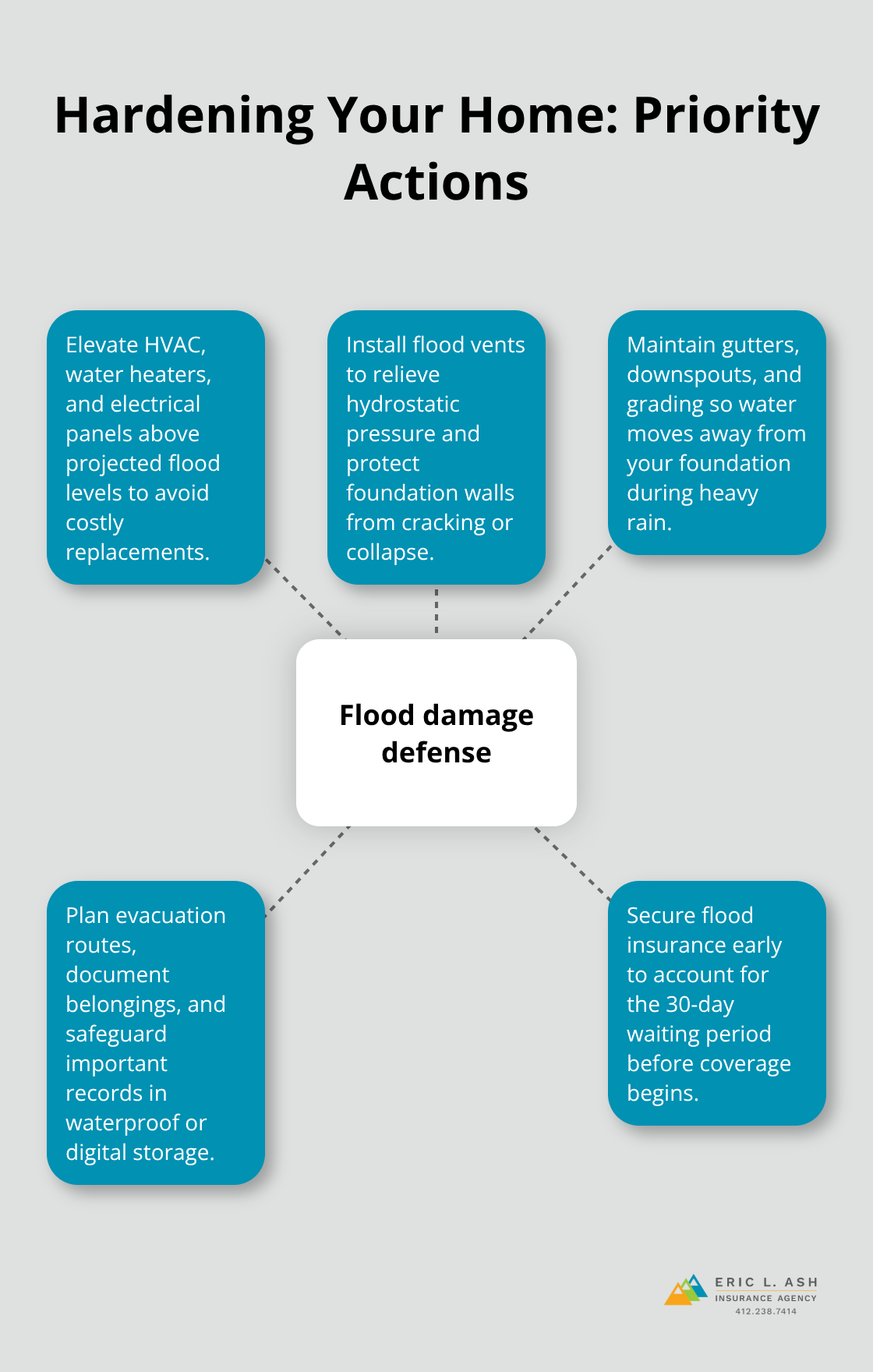
Business Auto Insurance Quotes: Finding Your Best Rate

Business Auto Insurance Quotes: Finding Your Best Rate

Getting business auto insurance quotes shouldn’t feel overwhelming. The rates you receive depend on several factors-from your vehicle type to your driving history-and understanding these elements helps you find coverage that actually fits your budget.

At Eric L. Ash Insurance Agency, we’ve helped Pennsylvania business owners navigate this process countless times. This guide walks you through what affects your rates, how to compare quotes effectively, and the mistakes that cost businesses money.

What Really Drives Your Business Auto Insurance Rates

Vehicle Type Creates Major Cost Differences

Your vehicle type matters far more than most Pennsylvania business owners realize. A food truck costs 20–30% more to insure than a standard company car because of specialized equipment and higher loss exposure. Construction vehicles like pickup trucks and cargo vans also command higher premiums than sedans due to increased accident risk and the value of tools transported. A contractor operating multiple vehicles pays substantially more than a consulting firm with one car, not because of arbitrary pricing but because fleet size multiplies exposure.

How You Use Your Vehicle Affects Your Rate

The way you use your vehicle matters just as much as what you drive. Local delivery within 100 miles of your base typically costs 10–15% less than long-haul or interstate travel. Your insurance company runs motor vehicle reports on all drivers listed on the policy, and this is where many Pennsylvania business owners see rate surprises. Clean driving records can save up to 25% compared to drivers with violations or accidents in the past three years.

Driver History Impacts Your Entire Fleet

A single at-fault accident can increase your premium significantly, which is why fleet safety directly impacts your bottom line. If your team has multiple drivers, one person’s poor record can raise rates across your entire policy. This reality means that investing in driver training and safety programs pays dividends through lower premiums over time.

Coverage limits and deductibles Shape Your Final Cost

The coverage limits and deductibles you choose create the final piece of your rate puzzle. Moving from Pennsylvania’s state minimum liability limits of 15/30/5 to higher limits like 100/300/100 or 1,000,000 combined single limit substantially increases your premium, but inadequate limits expose your business to catastrophic out-of-pocket costs. Increasing your collision or comprehensive deductible from $500 to $1,000 typically reduces premiums by 10–20%, though you’ll pay more if you file a claim. Progressive reports that 2024 average monthly costs for Pennsylvania business auto insurance range from $272 for contractor autos to $954 for for-hire transport trucks, depending on these exact factors. The median costs are lower-$212 for contractors and $869 for transport trucks-which shows how much individual circumstances vary.

Comparison of average and median monthly commercial auto costs in Pennsylvania from Progressive in 2024.

Your specific rate depends entirely on what vehicles you insure, who drives them, and what protection level you select. Understanding these rate drivers positions you to make smarter decisions when you start comparing quotes from different carriers.

How to Compare Business Auto Insurance Quotes Effectively

Gather Quotes from Multiple Carriers

Getting three or more quotes is non-negotiable if you want competitive rates. Differences of up to 30% can occur for identical coverage across carriers, which means skipping this step costs real money. Start by gathering quotes from at least three different insurers, and make sure each quote includes the same vehicle information, driver details, coverage limits, and deductibles. This apples-to-apples comparison prevents the frustration of comparing fundamentally different policies.

Percent-based factors that can change your business auto insurance quote. - business auto insurance quotes

Many Pennsylvania business owners think they can judge rates by looking at a single number, but that number only matters when the underlying coverage matches. One carrier might quote you $400 monthly with a $1,000 deductible and 100/300/100 liability limits, while another quotes $350 with a $2,500 deductible and 15/30/5 limits. The cheaper option leaves your business exposed to massive out-of-pocket costs after an accident.

When you request quotes, provide exact information about how many miles your vehicles travel annually, whether drivers operate locally or regionally, and what goods or equipment they transport. Vague information produces vague quotes that won’t reflect your actual cost. Your actual rate depends entirely on what you’re comparing.

Review Coverage Options Side by Side

Once you have multiple quotes in hand, examine the specific coverages each carrier includes. Look at liability limits, physical damage protection, uninsured motorist coverage, and any specialty add-ons like garage keepers liability or motor truck cargo coverage. Different carriers structure these coverages differently, and what one insurer includes as standard another might offer only as an optional add-on.

Create a simple spreadsheet listing each carrier’s quote alongside their coverage details. This visual comparison makes it far easier to spot which carrier offers the best value for your specific needs. A lower premium with inadequate coverage creates false savings that vanish the moment you file a claim.

Ask About Available Discounts

Ask each insurer about their available discounts before finalizing your decision, because discounts can meaningfully reduce your final premium. Bundling commercial auto with property coverage typically saves money on your auto premium, while paying your policy in full can yield a discount. Some carriers offer prior auto insurance discounts or multi-product discounts that others don’t advertise prominently.

Checklist of common commercial auto insurance discounts to request from carriers. - business auto insurance quotes

Don’t ask about discounts in passing; specifically request a list of every discount you qualify for and ask the representative to apply them to your quote. The difference between a quote with no discounts and one with three or four discounts can be substantial. If you operate a fleet with clean driving records across your team, mention this fact explicitly because some carriers offer accident-free discounts that require you to state your qualifications.

Your job is to make the insurer’s job easier by providing complete, accurate information upfront so they can quote you accurately and show you every savings opportunity available. We can assist you with assessing your insurance needs and leverage relationships with dozens of carriers to shop multiple markets and deliver competitive rates tailored to your specific business needs. This approach means you gain access to carriers and discounts you might not find on your own.

The mistakes you make during the quoting process often cost far more than any single rate difference, which is why the next section focuses on the decisions that drain your budget.

Common Mistakes That Cost Pennsylvania Business Owners Money

Price Alone Never Tells the Real Story

The biggest mistake Pennsylvania business owners make is treating price as the only decision factor. A quote that’s $100 monthly cheaper looks attractive until you file a claim and realize your coverage limits are inadequate or critical protections are missing. One business owner chose a policy based solely on the lowest premium, only to discover after an accident that their liability limits were state minimum liability limits in Pennsylvania, meaning they paid tens of thousands out of pocket for injuries exceeding those thresholds. That decision cost far more than the premium savings ever provided.

Your quote comparison should prioritize value, not just the monthly number. A policy costing $50 more monthly but with proper limits and comprehensive coverage protects your business far better than cutting corners on protection to save money. Progressive’s 2024 data shows average monthly costs ranging from $272 for contractor autos to $954 for transport trucks, but these averages obscure the reality that your actual cost depends entirely on the coverage you select. Choosing inadequate limits to hit a lower price point transforms insurance from protection into a liability.

Outdated Information Creates Coverage Gaps

Another critical error is failing to update your policy information when your business changes. If you add a new vehicle, hire additional drivers, expand your service radius from local to regional, or change how you use your fleet, your existing quote becomes obsolete. Many Pennsylvania business owners keep policies unchanged for years even though their operations have evolved significantly.

Insurance companies base rates on the information you provide at quote time, so outdated details mean you’re either overpaying for coverage you don’t need or underpaying and facing premium adjustments later. A company that started with one delivery vehicle and now operates five needs different coverage than their original policy provided. Skipping this review leaves your business exposed and your rates misaligned with your actual risk.

Annual Reviews Prevent Rate Misalignment

Schedule a policy review conversation at least annually to ensure your coverage evolves with your business needs. During these reviews, examine whether your coverage limits still match your business exposure, whether your deductibles align with your financial capacity, and whether you qualify for new discounts. This simple practice catches gaps before they create problems and identifies savings opportunities you may have missed.

Final Thoughts

Finding competitive business auto insurance quotes comes down to understanding what drives your rates, comparing coverage systematically, and avoiding shortcuts that expose your business to unnecessary risk. The vehicle you drive, who operates it, and the protection level you select determine your final cost far more than any single carrier’s pricing strategy. Pennsylvania business owners who invest time in gathering multiple quotes and reviewing coverage details consistently find better rates than those who accept the first offer they receive.

Collect quotes from at least three carriers using identical vehicle information, driver details, and coverage specifications. Create a simple spreadsheet comparing premiums alongside coverage options, then ask each insurer about every discount you qualify for. This process takes a few hours but typically saves hundreds of dollars annually, and once you’ve selected a policy, mark your calendar for an annual review to verify your coverage still matches your business operations.

An independent agent transforms this process from frustrating to manageable by leveraging relationships with multiple carriers to shop business auto insurance quotes on your behalf. Contact Eric L. Ash Insurance Agency to discuss your business auto insurance needs and discover how much you could save with responsive, local service backed by the market access that independent agencies provide.

The information provided in this blog is for general informational purposes only and does not constitute legal, financial, or insurance advice. Coverage options, terms, and availability may vary. Please consult with a licensed professional for advice specific to your situation.

Why Choose a Local Independent Insurance Agency Over a Large Corporate Broker

Teen Driver Coverage PA: Finding the Right Policy

Insuring a teenage driver in Pennsylvania comes with real financial challenges. Premiums can spike 50% to 100% higher than adult drivers, making teen driver coverage PA one of the biggest expenses for families.

We at Eric L. Ash Insurance Agency help parents navigate these costs without overpaying. This guide walks you through rate factors, coverage options, and proven strategies to cut your premiums.

What Actually Drives Teen Insurance Costs in Pennsylvania

Age Creates the Biggest Premium Jump

Age matters far more than most parents realize. A 16-year-old costs 50% to 100% more to insure than a 25-year-old with the same driving record, according to WalletHub data across major Pennsylvania insurers.

Infographic showing the main factors that increase teen auto insurance costs in Pennsylvania.

CDC research explains this gap: teens aged 16-19 face about 3 times the crash risk at night compared to adult drivers, primarily due to inexperience and underdeveloped hazard perception. The positive side is that premiums drop measurably once a teen reaches 18 and maintains a clean record for a full year.

Current quotes show the range across carriers. GEICO charges around $68 monthly for a Pennsylvania teen, while State Farm runs about $74 monthly for ages 16-24 with good driving history. These numbers shift significantly by ZIP code-rural areas often cost less than suburban or urban regions-so obtain quotes specific to your location rather than relying on statewide averages.

Your Teen’s Driving History Determines Rate Increases

Your teen’s driving history matters immediately. A single ticket or accident adds $200 to $400 annually to premiums, while a DUI suspension creates rates that stay elevated for years. This is why the Pennsylvania Graduated Driver Licensing program, which has been in place since 1999, actually helps your insurance costs. Teens who complete the full learner’s permit phase with 65 hours of supervised driving (including 10 hours at night) before moving to a junior license demonstrate lower crash risk to insurers, which translates to better rates than teens who skip this process.

Vehicle Choice Directly Impacts Monthly Costs

The type of car your teenager drives affects insurance costs significantly. A used Honda Civic costs far less to insure than a new Dodge Charger, not just because the Civic is cheaper to repair but because insurers view older, modest vehicles as less likely to encourage speeding or reckless driving. High-performance vehicles trigger automatic rate increases, sometimes adding $50 or more monthly. Try a reliable sedan or compact car with strong safety ratings, and you’ll see immediate savings.

Shopping Multiple Carriers Reveals Hidden Savings

When comparing insurers, don’t assume national carriers offer the best rates. Erie Insurance and Travelers frequently undercut GEICO and State Farm in Pennsylvania, with Erie averaging around $68 monthly and Travelers around $51 monthly according to WalletHub analysis. Shop at least three carriers before deciding, because the difference between the cheapest and most expensive option for your specific situation often exceeds $600 annually.

As an independent agency with relationships across dozens of carriers, we at Eric L. Ash Insurance Agency leverage these multiple markets to help you find competitive rates tailored to your teen’s profile. The next section covers the specific coverage options you’ll encounter when building a policy, so you understand what protection each type provides and which options make sense for your family’s situation.

Coverage Options for Teen Drivers in PA

Meeting Pennsylvania’s Minimum Requirements

Pennsylvania mandates a minimum of $15,000 bodily injury liability per person, $30,000 per accident, and $5,000 property damage, plus medical benefits coverage. These minimums protect other people if your teen causes an accident, but they leave your teen’s own vehicle and medical costs unprotected. We at Eric L. Ash Insurance Agency strongly recommend increasing these minimums to at least $100,000 per person and $300,000 per accident, especially for teen drivers whose inexperience creates higher crash risk. The cost difference between state minimums and these higher limits runs roughly $10 to $20 monthly-a trivial amount compared to the financial exposure if your teen causes a serious accident.

Protecting Your Teen’s Vehicle with Collision and Comprehensive

Collision coverage pays to repair or replace your teen’s car after a crash with another vehicle, a pole, a pothole, or even an animal, and it applies regardless of who caused the damage. Comprehensive coverage handles non-collision damage like theft, vandalism, weather, and falling objects.

Checklist of key coverages for Pennsylvania teen drivers with brief cost notes. - teen driver coverage PA

Together, these coverages cost around $40 to $80 monthly depending on your vehicle’s age and value, but they’re essential if your teen drives a car worth more than $5,000. If your teen financed the vehicle, the lender requires both collision and comprehensive, so you have no choice.

Addressing the Uninsured Driver Problem

Uninsured and underinsured motorist coverage protects your teen if hit by a driver who lacks insurance or insufficient coverage. Pennsylvania has 15.4 percent uninsured drivers on the road, making this coverage practically mandatory despite not being required by law. This protection covers medical expenses and vehicle damage when the at-fault driver cannot pay, which happens far more often than most families expect.

Maximizing Discounts That Stack Together

The good student discount typically requires a B average (3.0 GPA) and reduces premiums by 10% to 15%, saving $100 to $200 annually for a teen driver. Driver education course completion yields another 5% to 10% discount with most carriers, and these discounts stack. Telematics programs like Snapshot or Drive Safe and Save monitor actual driving behavior through a smartphone app or plug-in device, and safe drivers receive 10% to 30% discounts after 30 to 90 days of monitoring. These programs track hard braking, rapid acceleration, and nighttime driving, giving your teen real feedback on their habits.

Optimizing Your Teen’s Driver Status

Many families also qualify for discounts by designating the teen as an occasional driver, which costs less than making them the primary user of a vehicle. Shop annual quotes even after you’ve locked in a policy, because rate reductions accumulate over time and carriers adjust their teen driver pricing regularly. The strategies that work best combine multiple discounts with smart vehicle selection and monitoring-which brings us to the specific tactics that cut your premiums most effectively.

How to Stack Discounts and Cut Your Teen’s Premium in Half

Bundling Policies Delivers Immediate Savings

Bundling your home and auto policies remains one of the fastest ways to reduce what you pay for teen driver coverage. Most carriers offer 15% to 25% discounts when you insure your home and vehicles with the same company, which translates to $150 to $300 annually on a teen’s policy alone. The math works because insurers reward customer loyalty and reduce their administrative costs when handling multiple policies. State Farm, GEICO, and Erie all advertise bundling discounts prominently, but the actual savings vary by location and your current coverage.

Contact three carriers with your home and auto details to see which bundling discount applies to your specific situation, then compare the total household cost rather than just the teen’s premium. This approach often reveals that switching your entire household to a carrier offering a stronger bundling discount costs less than staying with your current insurer for auto only.

Good Student Discounts Require Minimal Effort

The good student discount deserves more attention than most parents give it because it requires only maintaining a 3.0 GPA or better, which many teens already achieve. This discount can save as much as 25 percent on total insurance costs and stacks directly on top of bundling discounts and other savings. Provide your insurer with a copy of the most recent report card or transcript when adding your teen to the policy, then update it annually since carriers audit these discounts.

Driver education course completion adds another 5% to 10% discount with most Pennsylvania carriers. Complete a reputable course before your teen obtains their license to apply this discount immediately when you add them to your policy.

Telematics Programs Track Real Driving Behavior

Telematics programs like Snapshot, Drive Safe and Save, or similar apps offered by your carrier monitor actual driving behavior for 30 to 90 days, then reward safe drivers with 10% to 30% additional discounts based on real data. These programs track hard braking, rapid acceleration, and nighttime driving patterns, giving your teen concrete feedback on risky habits while you capture measurable savings.

Percentage chart highlighting the maximum savings from key teen driver discounts in Pennsylvania. - teen driver coverage PA

The combination of bundling, good student discount, driver education, and telematics can reduce your teen’s premium by 40% to 50% compared to a standalone policy with no discounts. This difference translates to $750 annually instead of $1,500, making the effort to stack these discounts worthwhile for your family’s budget.

Final Thoughts

Finding affordable teen driver coverage PA requires combining multiple strategies rather than relying on a single tactic. Start by gathering your teen’s driver’s license, current driving record, and school transcripts showing their GPA, then contact at least three insurers to obtain quotes that reflect bundling discounts, good student savings, and driver education completion. Compare the total household cost rather than just the teen’s premium, since bundling your home and auto policies often produces the largest savings, and request quotes for both adding your teen to your existing policy and purchasing a separate teen policy.

Once you’ve selected a carrier, enroll your teen in their telematics program immediately after the policy starts (this monitoring typically runs 30 to 90 days and generates additional discounts based on actual driving behavior). Review your policy annually to confirm all discounts remain applied and to shop rates again, since carriers adjust teen pricing regularly and small rate reductions compound over time. The combination of stacking discounts, selecting an appropriate vehicle, and shopping multiple carriers can reduce your annual costs by 40 to 50 percent compared to a standalone policy without discounts.

We at Eric L. Ash Insurance Agency help Pennsylvania families navigate these decisions by shopping multiple markets and identifying the coverage and discounts that fit your budget and risk profile. Contact us today to discuss your teen driver coverage options and receive personalized quotes tailored to your family’s situation.

The information provided in this blog is for general informational purposes only and does not constitute legal, financial, or insurance advice. Coverage options, terms, and availability may vary. Please consult with a licensed professional for advice specific to your situation.
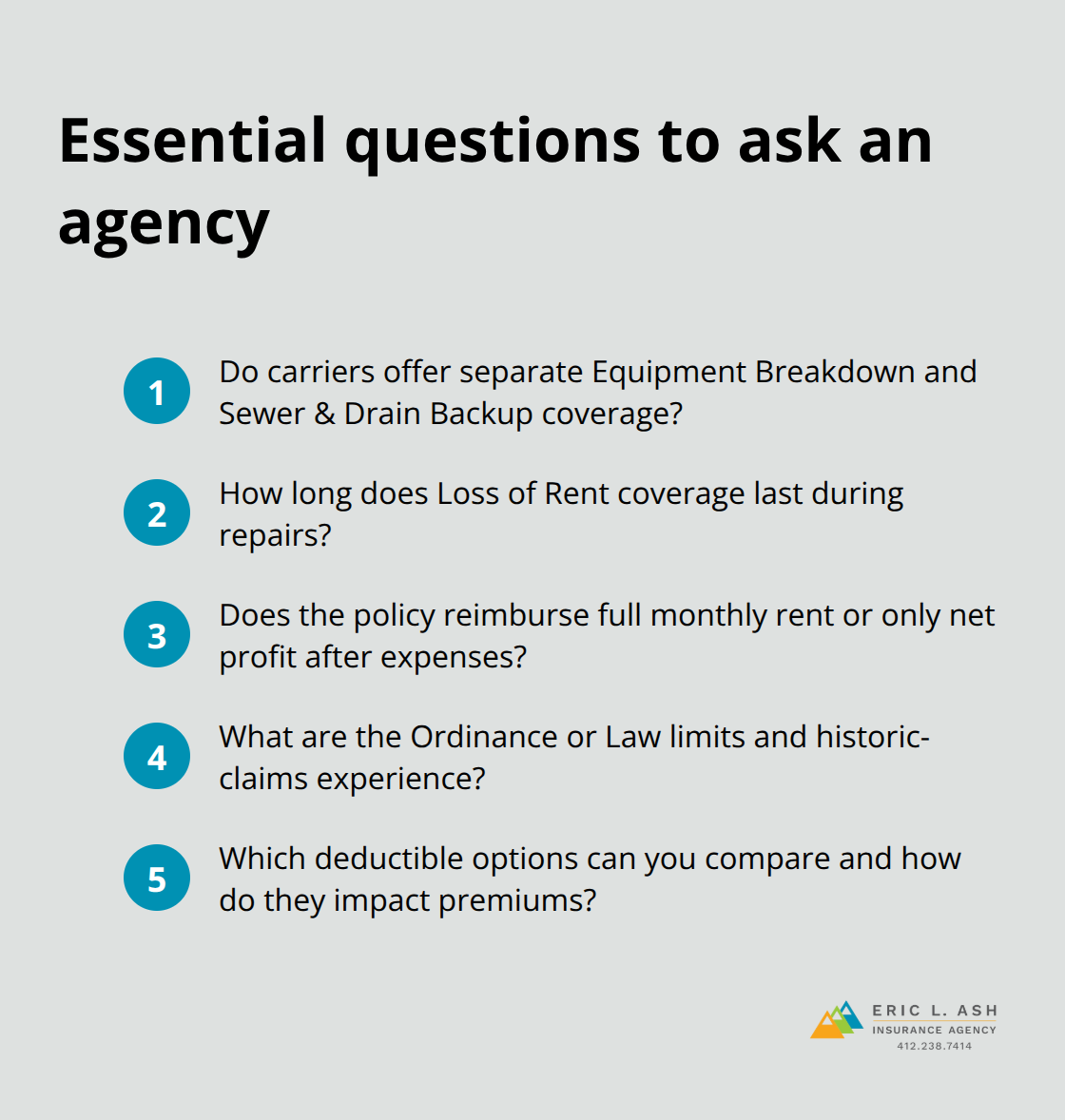
Teen Driver Insurance Quotes: How to Shop Smart

Teen Driver Insurance Quotes: How to Shop Smart

Insuring a teen driver costs significantly more than insuring an adult-on average, adding a teen to a parent’s policy increases premiums by 50% to 100%. We at Eric L. Ash Insurance Agency know that finding affordable teen driver insurance quotes requires strategy, not just luck.

The good news is that rates aren’t fixed. Your choices about coverage, vehicle selection, and your teen’s driving habits directly impact what you’ll pay each month.

What Really Drives Teen Insurance Costs

Age matters far more than most parents realize, and the numbers are stark. An 18-year-old pays $599 per month for full coverage and will see that drop to roughly $390 by age 19 and $353 by age 20, according to insurance rate data. The jump is even sharper for 16-year-olds, who average around $709 monthly compared to 18-year-olds at $532. Insurers base these differences on actual crash statistics. Inexperience combined with age creates measurable risk, and that risk translates directly to your premium. Gender also plays a role where allowed by state law; 18-year-old males pay about $557 monthly for full coverage versus $508 for females, though some states including California, Hawaii, Massachusetts, Michigan, North Carolina, and Pennsylvania ban gender-based pricing entirely.

The Vehicle Matters More Than You Think

The car your teen drives will either save you thousands or drain your wallet. A sports car or high-performance vehicle costs dramatically more to insure because crash data shows these vehicles experience higher loss rates. Choosing a safe, inexpensive sedan or compact SUV instead can cut insurance costs substantially. Insurers reward vehicles equipped with anti-lock brakes, airbags, and anti-theft devices with lower premiums. Location within your vehicle choice also counts-if your teen will be the primary driver, assign them to the cheapest family car rather than a newer or more expensive one. If they’re getting their own vehicle, prioritize affordability and safety features over anything else. Used vehicles in the two to five year old range typically offer the best balance of cost and safety ratings.

Driving Record Determines Future Rates

A clean driving record is your teen’s most valuable asset for keeping insurance affordable. One accident or moving violation can trigger surcharges that persist for years, even as your teen ages into lower-risk categories. However, some insurers offer Accident Forgiveness programs that can give you a cheaper auto insurance rate in the event of an accident by protecting you from another driver’s mistake. The harsh reality is that even with a perfect driving record, teen rates remain elevated for the first few years due to age and inexperience alone. This means your teen’s driving habits matter immediately-poor choices now lock in higher costs later. Usage-based or telematics programs that monitor actual driving behavior can reward safe habits with discounts ranging from 15% to 30%, giving your teen financial incentive to drive defensively from day one.

Percentage discounts available from telematics and safe-driver programs for teens

How Discounts and Programs Stack Up

Your teen’s grades can directly reduce what you pay each month. Good Student Discounts apply to students under 25 who maintain at least a B average, and these discounts often save hundreds annually. Defensive driving courses also yield monetary credits toward the policy premium and improve teen safety simultaneously. Telematics programs track real driving patterns and reward safe behavior, making them worth serious consideration when you shop quotes. These programs (which some insurers call safe-driver programs) create accountability while offering tangible savings for teens who drive responsibly. The combination of good grades, completed safety courses, and clean driving records can substantially lower your teen’s insurance costs compared to a teen with none of these advantages.

Understanding these cost drivers positions you to make smarter decisions when you compare quotes from multiple insurers-which is where the real savings opportunity lies.

Comparing Quotes Across Multiple Insurers

Why Quote Variation Matters

Quotes for the same teen driver vary by hundreds of dollars monthly depending on the insurer, and this variation makes shopping non-negotiable.

The problem is that the cheapest insurer in one state may be expensive in another-in some states, Erie ranks as the cheapest option while Nationwide ranks as the most expensive in those same states. This volatility means relying on a single quote leaves thousands of dollars on the table.

How to Gather Accurate Quotes

When you compare quotes from multiple carriers, list your teen on every application to receive accurate pricing and ensure proper coverage designation. A teen classified as an occasional driver rather than the primary driver will receive a lower quote, but misrepresenting their actual driving status can lead to claim denials later. Shop across national carriers like Geico, State Farm, and Progressive alongside regional options available in Pennsylvania. Comparing rates regularly typically yields better pricing, and the same principle applies to new teen drivers entering the market.

Standardizing Coverage for True Comparison

Two insurers quoting the same teen with different deductibles will show different premiums, making direct comparison impossible. A higher deductible lowers your monthly payment but increases what you pay out-of-pocket after an accident. If your teen causes $1,000 in damage with a $300 deductible, the insurer pays $700 while you cover $300. Most parents should avoid reducing coverage limits just to save money on monthly premiums. Full coverage including collision and comprehensive protection makes sense for financed or leased vehicles and for most vehicles worth more than $5,000. Minimum liability coverage alone may work only for older vehicles worth less than $5,000, though this leaves your family exposed to substantial liability risk if your teen causes a serious accident. When you compare quotes, standardize the coverage across all insurers so you evaluate price differences rather than coverage differences.

Evaluating Service Quality and Claims History

An insurer’s claims handling speed and fairness matter as much as price because you will want responsive service when your teen needs it most. Check each insurer’s complaint history through the Texas Department of Insurance Consumer Help Line at 800-252-3439 before committing. A low price paired with slow claims processing or poor customer service creates frustration when accidents happen. We at Eric L. Ash Insurance Agency compare protection and prices across multiple insurance companies on your behalf, delivering competitive rates and tailored coverage backed by responsive, local customer service that national companies cannot match.

The quotes you’ve gathered now reveal which insurers offer the best value for your teen’s specific situation. The next step involves identifying which discounts and programs apply to your teen’s profile-and how to stack them for maximum savings.
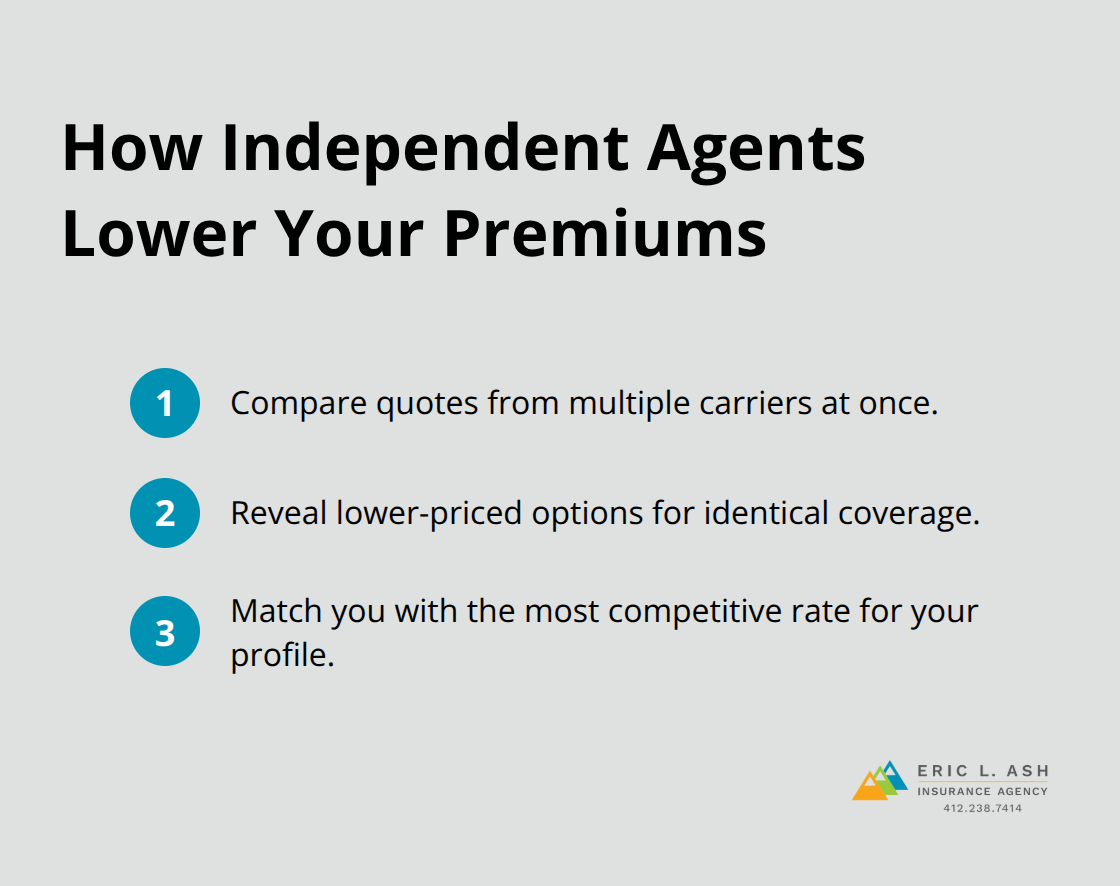
Practical Actions That Cut Teen Insurance Costs

Defensive Driving Courses Deliver Immediate Savings

Defensive driving courses reduce your premium through concrete credits rather than vague promises. Many insurers offer monetary discounts specifically for approved driver education programs, and these courses teach teens skills that measurably reduce accident risk. Your teen completes the program, submits the certificate, and your insurer applies the discount to the next billing cycle. This isn’t theoretical savings-it’s an immediate rate reduction you can quantify before enrolling. Some insurers bundle this with telematics programs, so your teen receives rewards both for completing formal training and for demonstrating safe habits through real driving data.

Good Grades Translate to Lower Premiums

Good Student Discounts apply to students under 25 maintaining at least a B average, and these discounts often save hundreds annually according to insurance industry data. The logic is straightforward: students who maintain strong grades statistically show better judgment overall, including behind the wheel. This discount requires documentation, typically a report card or transcript, but the effort takes minutes. The discount amount varies by insurer, but savings of $300 to $600 per year are common for qualifying teens.

Vehicle Selection Determines Your Cost Ceiling

A safe, inexpensive sedan or compact SUV with anti-lock brakes, airbags, and anti-theft devices costs substantially less to insure than a sports car or luxury vehicle. If your teen is the primary driver, assign them to the cheapest family car rather than a newer model. If they’re getting their own vehicle, prioritize used models in the two to five year range from manufacturers with strong safety ratings-these typically cost less to insure than new sports cars while offering better protection than older vehicles. Anti-theft devices like GPS trackers or alarm systems trigger additional discounts at some carriers.

Stacking Discounts Multiplies Your Savings

The combination of these three actions-completing a defensive driving course, maintaining grades above the B threshold, and selecting a safe, affordable vehicle-can reduce your teen’s annual insurance cost compared to a teen without these advantages. Each discount stacks independently, meaning your teen qualifies for all three simultaneously rather than choosing between them. This multiplicative effect transforms individual savings into substantial annual reductions that compound year after year as your teen ages into lower-risk categories.

Checklist of actions families can take to lower teen auto insurance costs - teen driver insurance quotes

Final Thoughts

Shopping for teen driver insurance quotes requires comparing multiple carriers, understanding what drives costs, and stacking discounts strategically. An 18-year-old paying $599 monthly for full coverage can reduce that expense through vehicle selection, good grades, and defensive driving courses. Your teen’s age and driving record matter, but your choices about coverage and vehicle type matter equally.

Start by gathering quotes from at least three insurers and standardize coverage across all quotes so you compare apples to apples.  Assign your teen to the cheapest family vehicle if possible, enroll them in a defensive driving course, and ensure they maintain grades above a B average to qualify for Good Student Discounts.

We at Eric L. Ash Insurance Agency shop multiple carriers on your behalf, comparing rates and coverage options tailored to your teen’s specific situation. Contact us today to get started with personalized teen driver insurance quotes and guidance that fits your family’s needs and budget.
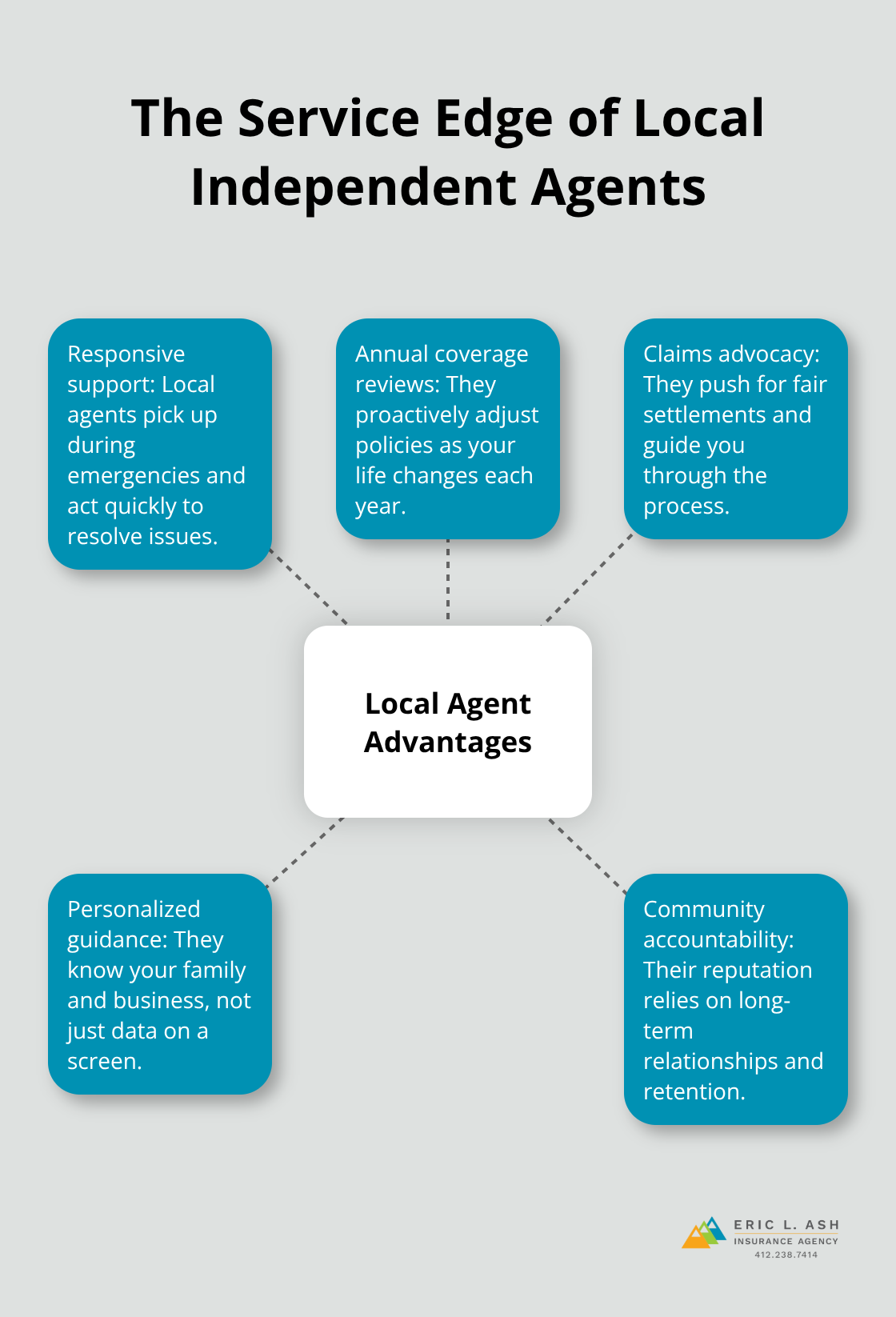
The information provided in this blog is for general informational purposes only and does not constitute legal, financial, or insurance advice. Coverage options, terms, and availability may vary. Please consult with a licensed professional for advice specific to your situation.